Introducción
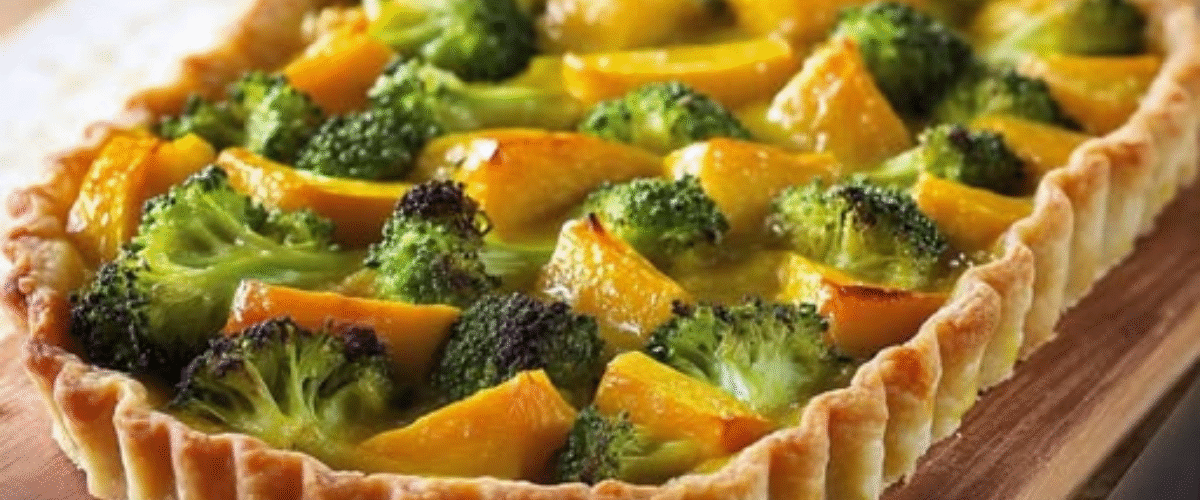
Experimente el encanto rústico de la cocina italiana con este impresionante pastel salado de coliflor y papas romanesco. Este elegante plato transforma ingredientes sencillos en una pieza central espectacular, perfecta para todo, desde cenas familiares informales hasta eventos sofisticados. Los patrones geométricos y fractales de la coliflor romanesco no solo aportan un toque visual atractivo, sino que también aportan un delicado sabor a nuez que combina a la perfección con papas cremosas y un rico queso fontina. Envuelto en una masa casera de aceite de oliva que se hornea hasta alcanzar un dorado perfecto, este pastel salado representa lo mejor de la cocina mediterránea: ingredientes sencillos tratados con respeto para crear algo verdaderamente memorable. Ya sea servido caliente recién salido del horno o a temperatura ambiente para un picnic o un bufé, este versátil plato ofrece comodidad y elegancia a partes iguales.
Ingredientes
Para la masa de aceite de oliva:
- 1½ tazas (190 g) de harina para todo uso
- 5½ cucharadas (80 ml) de aceite de oliva virgen extra
- 3½ cucharadas (50 ml) de agua fría
- ½ cucharadita de sal
Para el relleno:
- 4 tazas (600 g) de coliflor romanesco congelada
- 0,55 lb (250 g) de patatas (preferiblemente Yukon Gold o variedades cerosas similares)
- 100 g de queso fontina
- 1 chalota
- 2 cucharadas de aceite de oliva virgen extra
- Sal al gusto
- Pimienta negra recién molida al gusto
Instrucciones paso a paso
Preparación de la masa de aceite de oliva:
- En un tazón grande, combine la harina y una pizca de sal, mezclando bien.
- Hacer un hueco en el centro de la harina y verter el aceite de oliva virgen extra.
- Usando las yemas de los dedos o un tenedor, incorpore gradualmente el aceite a la harina hasta que la mezcla parezca pan rallado grueso.
- Añade lentamente el agua fría, aproximadamente una cucharada a la vez, mezclando después de cada adición hasta que la masa esté ligeramente unida. Puede que no necesites toda el agua; deja de añadir cuando la masa forme una bola cohesiva que no esté pegajosa.
- Sobre una superficie ligeramente enharinada, amase la masa suavemente durante 2-3 minutos hasta que esté suave y uniforme. No la trabaje demasiado o se endurecerá.
- Forme la masa en un disco, envuélvala bien en film transparente y refrigérela durante al menos 30 minutos (o hasta 24 horas) para permitir que el gluten se relaje.
Preparación del relleno:
- Pele las papas y córtelas en rodajas finas de aproximadamente 3 mm de grosor. Colóquelas en un recipiente con agua fría para evitar que se doren si no las va a usar inmediatamente.
- Pelar y cortar la chalota en rodajas finas o medias lunas.
- Si usa coliflor romanesco congelada, déjela descongelar un poco mientras prepara los demás ingredientes. Si está en trozos grandes, córtela en ramilletes del tamaño de un bocado.
- Utilizando los agujeros grandes de un rallador de caja, ralle el queso Fontina y reserve.
Cocinar el relleno:
- Calienta 2 cucharadas de aceite de oliva virgen extra en una sartén grande a fuego medio-bajo.
- Add the sliced shallot and cook gently for about 5 minutes until softened and translucent but not browned, stirring occasionally.
- Drain the potato slices and pat them dry with paper towels. Add them to the skillet with the shallots.
- Cook the potatoes for approximately 5 minutes, stirring occasionally to ensure even cooking. They should start to soften but not brown significantly.
- Add the Romanesco cauliflower florets to the skillet, stirring carefully to combine with the potatoes and shallots.
- Season the mixture with salt and freshly ground black pepper to taste.
- Increase the heat to medium-high and cook for an additional 5 minutes, stirring occasionally. The vegetables should be partially cooked but still retain some firmness.
- Remove the skillet from the heat and allow the filling to cool to room temperature before assembling the pie.
Assembling and Baking the Pie:
- Preheat your oven to 375°F (190°C). If you have a baking stone or steel, place it in the oven now to heat up.
- Remove the pastry dough from the refrigerator and let it sit at room temperature for 5-10 minutes to make it easier to roll.
- On a lightly floured surface, roll out the dough to approximately ⅛ inch (3mm) thickness, creating a rectangle slightly larger than your baking dish.
- Lightly grease a rectangular tart pan (13.5 x 4 inches or approximately 34 x 10 cm) with olive oil.
- Carefully transfer the rolled dough to the tart pan, gently pressing it into the corners and up the sides. Trim any excess dough from the edges, leaving a small overhang to account for shrinkage.
- Prick the bottom of the pastry several times with a fork to prevent bubbling during baking.
- Sprinkle approximately ⅔ of the grated Fontina cheese evenly across the bottom of the pastry shell.
- Arrange the cooled vegetable filling over the cheese layer, distributing it evenly throughout the tart.
- Top the filling with the remaining ⅓ of grated Fontina cheese, ensuring even coverage.
- Place the tart pan on a baking sheet (for easier handling) and transfer to the preheated oven.
- Bake for approximately 30 minutes until the pastry is golden and the filling is bubbling.
- Increase the oven temperature to 445°F (230°C) and switch to broil/grill mode.
- Return the pie to the oven and broil for an additional 3-5 minutes, watching carefully until the top is golden brown and slightly caramelized.
- Remove from the oven and allow to cool for at least 10-15 minutes before serving.
Timing Information
- Preparation Time: 30 minutes
- Chilling Time for Pastry: 30 minutes
- Cooking Filling: 15 minutes
- Baking Time: 35 minutes
- Cooling Time: 15 minutes
- Total Time: 2 hours 5 minutes
Nutritional Information
Per serving (based on 6 servings):
- Calories: 380
- Total Fat: 24g
- Saturated Fat: 6g
- Cholesterol: 25mg
- Sodium: 350mg
- Total Carbohydrates: 32g
- Dietary Fiber: 3g
- Sugars: 2g
- Protein: 10g
Cooking Tips and Tricks
- Perfect Pastry: The key to a tender olive oil pastry is minimal handling. Mix just until the ingredients come together and avoid overworking the dough.
- Pastry Texture: If the dough feels too dry when mixing, add a few more drops of cold water. If it’s too sticky, dust with a small amount of flour.
- Preventing Soggy Bottom: Sprinkling cheese on the base of the pastry creates a barrier that helps prevent the filling’s moisture from making the crust soggy.
- Potato Selection: Waxy potato varieties like Yukon Gold or red potatoes hold their shape better in this recipe than starchy varieties like Russets.
- Fontina Substitute: If Fontina is unavailable, Gruyère, provolone, or a mild Gouda can work well as alternatives, each bringing its own unique flavor profile.
- Filling Consistency: The vegetable filling should be relatively dry before adding to the pastry. If there’s excess moisture after cooking, drain it off to prevent a soggy crust.
- Even Cooking: For even browning, rotate the pie halfway through the baking time, especially if your oven has hot spots.
- Checking Doneness: The pastry should be golden brown on the edges and bottom. You can lift one edge slightly with a spatula to check that the bottom is cooked.
Variations and Substitutions
Vegetable Options:
- Fresh Romanesco: If using fresh Romanesco cauliflower instead of frozen, blanch it in boiling salted water for 2 minutes, then shock in ice water before adding to the skillet.
- Regular Cauliflower: Standard white cauliflower makes an excellent substitute if Romanesco is unavailable.
- Broccoli Alternative: Broccoli can be substituted for a similar texture but a stronger flavor profile.
- Additional Vegetables: Add sautéed mushrooms, leeks, or sweet red peppers for additional layers of flavor.
Cheese Variations:
- Cheese Blend: Create a more complex flavor by using a combination of cheeses—try mixing Fontina with Parmesan or pecorino for a sharper note.
- Blue Cheese Accent: Add a small amount (1-2 oz) of crumbled blue cheese to the filling for a tangy, sophisticated twist.
- Vegan Option: Use a plant-based cheese alternative and ensure your pastry is made with olive oil for a completely vegan version.
Pastry Alternatives:
- Herb-Infused Dough: Add 1 tablespoon of chopped fresh herbs (rosemary, thyme, or sage) to the pastry dough for additional flavor.
- Whole Wheat Option: Substitute up to half of the all-purpose flour with whole wheat flour for a nuttier flavor and added nutrition.
- Time-Saving Alternative: Use high-quality store-bought pastry dough in a pinch, though the olive oil pastry does add a distinctive Mediterranean character.
Flavor Enhancements:
- Herb Addition: Mix fresh herbs such as thyme, rosemary, or sage into the filling.
- Garlic Lover’s Version: Add 2 minced garlic cloves when sautéing the shallots.
- Spice It Up: Add a pinch of nutmeg or smoked paprika to the filling for a warming depth of flavor.
- Egg Liaison: For a richer, more custard-like filling, mix 1 egg with 2 tablespoons of cream and pour over the vegetables before adding the final layer of cheese.
Common FAQs
Q: Can I prepare this pie in advance?
A: Yes, this pie is excellent for make-ahead preparation. You can prepare the pastry dough up to 2 days in advance and keep it refrigerated. The vegetable filling can also be prepared a day ahead and stored in the refrigerator. Assemble and bake the pie the day you plan to serve it. Alternatively, you can bake the entire pie ahead of time and reheat it in a 350°F (175°C) oven for 15-20 minutes before serving.
Q: I can’t find Romanesco cauliflower. What’s the best substitute?
A: Regular white cauliflower is the closest substitute in terms of texture and mild flavor. Broccoli is another good option, though it has a stronger flavor profile. You could also use a combination of both regular cauliflower and broccoli to approximate the slightly nutty flavor of Romanesco.
Q: Why did my olive oil pastry turn out tough?
A: Tough pastry usually results from overworking the dough, which develops too much gluten. Handle the dough as minimally as possible, mixing just until combined and kneading very gently. Also, make sure you’re using the correct amount of liquid—too little water can make the dough dry and tough.
Q: Can I freeze this savory pie?
A: Yes, you can freeze the pie either before or after baking. To freeze before baking, assemble the pie completely, wrap it tightly in plastic wrap followed by aluminum foil, and freeze for up to 1 month. Bake directly from frozen, adding about 15-20 minutes to the baking time. To freeze after baking, cool the pie completely, wrap securely, and freeze for up to 2 months. Thaw in the refrigerator overnight and reheat in a 350°F (175°C) oven until warmed through.
Q: The recipe calls for a specific rectangular mold size. Can I use a different shaped pan?
A: Absolutely! This recipe adapts well to different pan shapes and sizes. A 9-inch (23 cm) round tart pan works beautifully, as does an 8×8 inch (20×20 cm) square pan. Just ensure your pastry is rolled out to the appropriate size and thickness. Cooking times may vary slightly based on the pan used—deeper dishes may require slightly longer baking times.
Storage and Make-Ahead Tips
- Pastry Dough: The olive oil pastry can be made up to 3 days ahead and stored well-wrapped in the refrigerator. Allow it to sit at room temperature for 15-20 minutes before rolling to prevent cracking.
- Preparación del relleno : El relleno de verduras se puede preparar hasta con 24 horas de antelación y guardar en un recipiente hermético en el refrigerador. Deje que alcance la temperatura ambiente antes de armar la tarta.
- Pastel sin hornear armado : El pastel sin hornear armado se puede refrigerar hasta 24 horas antes de hornear. Cúbralo ligeramente con film transparente para evitar que se seque.
- Almacenamiento del pastel horneado : Una vez horneado y enfriado, se puede guardar en el refrigerador hasta por 3 días. Cúbralo con papel aluminio o film transparente para evitar que se seque.
- Instrucciones para recalentar : Para obtener la mejor textura, recaliente las rebanadas en un horno a 350 °F (175 °C) durante 10 a 15 minutos en lugar de usar un microondas, que puede hacer que la masa quede empapada.
- Servido a temperatura ambiente : Este pastel es excelente servido a temperatura ambiente, lo que lo hace perfecto para picnics o bufés. Deje reposar el pastel refrigerado a temperatura ambiente durante al menos 30 minutos antes de servir.
- Guía de congelación : Para congelar, envuelva bien las porciones individuales en film transparente y luego en papel aluminio. Etiquete con la fecha y congélelas hasta por 2 meses. Descongélelas durante la noche en el refrigerador antes de recalentarlas.
- Pastel del día anterior : Para refrescar la textura del pastel del día anterior, rocíe unas gotas de agua por encima antes de recalentarlo en el horno. Esto crea vapor que revitaliza la masa.
Este pastel salado de coliflor romanesco y patata ofrece el equilibrio perfecto entre encanto rústico y elegante presentación. La tierna masa de aceite de oliva envuelve un relleno que celebra la belleza y el sabor únicos de la coliflor romanesco, complementado con cremosas patatas y un rico y derretido queso fontina. Ya sea como la estrella de una comida vegetariana, una guarnición sofisticada o el plato principal de un brunch, este versátil pastel ofrece un sabor delicioso y un gran impacto visual. Su flexibilidad para prepararlo con antelación lo hace tan práctico como delicioso, perfecto para anfitriones ocupados que desean impresionar sin el estrés de la cocina de última hora. Disfrute de esta creación de inspiración mediterránea como un toque de la cocina campestre italiana en su propia casa.