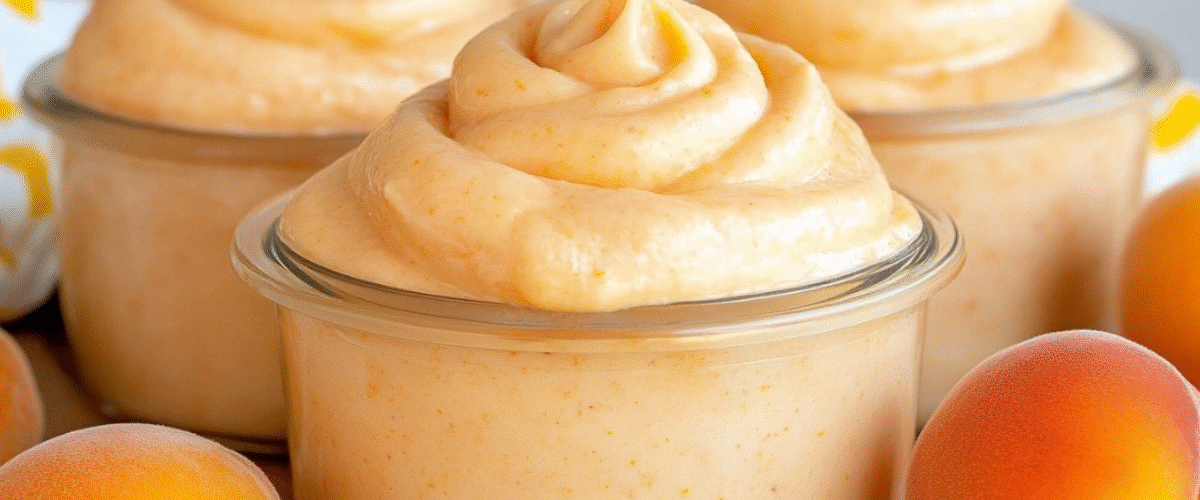
Esta revolucionaria receta de mousse de albaricoque crea un postre increíblemente ligero y refrescante con albaricoques frescos, azúcar, claras de huevo y zumo de limón. Sin gelatina ni nata, esta mousse natural y saludable se basa en la textura cremosa de los albaricoques maduros y la magia de las claras de huevo pasteurizadas para crear un postre sedoso y cremoso, perfecto para cualquier ocasión.
Por qué esta mousse de albaricoque sin gelatina es perfecta
Las mousses tradicionales suelen basarse en gelatina y crema de leche para darles estructura y cremosidad, pero esta innovadora receta demuestra que la naturaleza nos proporciona todo lo necesario para un postre perfecto. Los albaricoques tienen una pulpa naturalmente cremosa y un dulzor equilibrado que crea una base ideal para la mousse. Las claras de huevo pasteurizadas aportan una textura ligera y esponjosa, mientras que el zumo de limón aporta brillo y ayuda a estabilizar la mezcla, creando un postre tan indulgente como sorprendentemente saludable.
Ingredientes
Para la Mousse Básica:
- 165 g (5,8 oz) de albaricoques frescos, sin hueso (aproximadamente 280 g/10 oz con hueso)
- 50 g (¼ de taza) de azúcar glas (o azúcar de vainilla)
- 1 clara de huevo grande, pasteurizada
- 3 cucharadas de jugo de limón fresco
Para pasteurizar la clara de huevo:
- Agua para calefacción
- 1 huevo grande
Mejora del sabor opcional:
- 1 cucharada de mantequilla sin sal
- 1 ramita de tomillo fresco
- 1 cucharada de Grand Marnier o Amaretto (para porciones de adultos)
Para servir:
- Rodajas de albaricoque fresco
- Crema batida casera
- Galletas de mantequilla o galletas de soletilla
- hojas de menta fresca
Instrucciones paso a paso
Preparando los albaricoques
Paso 1: Limpiar los albaricoques. Para una limpieza óptima, lave bien los albaricoques en dos pasos. Primero, lávelos con una mezcla de agua y vinagre blanco, luego enjuáguelos y vuelva a lavarlos con agua y una pizca de bicarbonato. Esto elimina cualquier residuo de pesticidas y garantiza una fruta perfectamente limpia. Enjuáguelos bien con agua limpia y séquelos con palmaditas.
Paso 2: Preparación de la fruta. Quite el hueso de cada albaricoque y corte la pulpa en trozos pequeños y uniformes. Los albaricoques deben estar maduros pero firmes, ofreciendo el equilibrio perfecto entre dulzor y textura. Los albaricoques maduros tendrán una cremosidad natural que constituye la base de esta mousse.
Paso 3: Potenciador de sabor opcional. Para un sabor más intenso, caliente la mantequilla en una sartén a fuego medio y agregue los trozos de albaricoque con una ramita de tomillo fresco. Saltee suavemente durante 3-4 minutos hasta que los albaricoques se ablanden ligeramente y suelten su jugo natural. Este proceso de caramelización intensifica significativamente el sabor del albaricoque. Deje enfriar completamente antes de continuar.
Pasteurización de la clara de huevo
Step 4: Heat Water Bath Heat water in a small saucepan to precisely 55-60°C (131-140°F). Use a kitchen thermometer to ensure accuracy, as temperatures above 60°C will begin to cook the egg while temperatures below 55°C won’t effectively pasteurize.
Step 5: Pasteurize the Egg Place the whole egg in the heated water and maintain the temperature for exactly 5 minutes. This process eliminates any risk of salmonella contamination while keeping the egg white in its raw state for optimal whipping properties.
Step 6: Cool and Separate Remove the egg from the water bath and allow it to cool to room temperature. Carefully separate the egg white from the yolk, ensuring no yolk contamination which could prevent proper whipping.
Creating the Mousse
Step 7: Initial Blending Place the prepared apricot pieces and caster sugar in a high-speed blender. The sugar will help break down the fruit and create the smooth base needed for the mousse texture.
Step 8: Add Egg White Add the pasteurized egg white to the apricot and sugar mixture. Begin blending continuously for exactly 2 minutes. This initial blending incorporates air and begins the emulsification process that creates the mousse’s signature texture.
Step 9: Scrape and Rest Stop the blender and scrape down the sides using a rubber spatula to ensure all apricot pieces are being incorporated evenly. This also gives the blender motor a brief rest. Blend again for another 2 minutes until the mixture becomes smooth and creamy.
Step 10: Gradual Lemon Addition Add the first tablespoon of lemon juice and blend for 30 seconds. The lemon juice should be added gradually to prevent the mixture from breaking and to allow proper incorporation. Add the second tablespoon of lemon juice and blend for another 30 seconds.
Step 11: Final Integration Add the final tablespoon of lemon juice and blend for 30 seconds more. The gradual addition of acid helps stabilize the egg whites while brightening the overall flavor. The finished mousse should have a beautiful orange-pink color and silky texture.
Nutritional Information and Timing
Preparation Time: 20 minutes (including pasteurization) Chilling Time: 1 hour minimum Total Time: 1 hour 20 minutes Serves: 4-6 people Calories per serving: Approximately 85 calories
Nutritional Benefits: Each serving provides vitamin A and C from apricots, natural fiber, potassium, and antioxidants. This dessert is naturally low in calories, fat-free, and provides natural fruit sugars rather than processed sweeteners.
Recipe Variations and Substitutions
Fruit Alternatives: Replace apricots with peaches, nectarines, mangoes, or any soft stone fruit for different flavor profiles while maintaining the same technique.
Sugar Variations: Use coconut sugar, maple syrup, or honey for natural sweetening alternatives. Vanilla sugar adds an extra dimension of flavor that complements the fruit beautifully.
Vegan Version: Replace the egg white with aquafaba (chickpea liquid) whipped to soft peaks for a completely plant-based alternative.
Adult Version: Add a tablespoon of liqueur such as Grand Marnier, Amaretto, or apricot brandy for sophisticated dinner party presentations.
Spiced Version: Add a pinch of cinnamon, cardamom, or ginger during blending for warming spice notes that complement the fruit.
Serving and Presentation Ideas
This versatile mousse can be presented in numerous elegant ways. Serve in individual glass cups for classic presentation, or create layered desserts with fresh fruit compotes between mousse layers. For a yogurt-style presentation, pipe whipped cream in decorative swirls. The mousse also works beautifully as a filling for pastry shells or as a component in more complex desserts.
Storage and Make-Ahead Tips
The mousse can be prepared up to 24 hours in advance and stored covered in the refrigerator. For optimal texture, chill for at least 1 hour before serving. For a semi-frozen treat, place in the freezer for 20-30 minutes before serving for an ice cream-like consistency.
Professional Tips for Perfect Results
The key to achieving professional-quality mousse lies in using perfectly ripe apricots and maintaining proper temperatures throughout the process. The gradual addition of lemon juice is crucial for preventing the mixture from breaking, while proper pasteurization ensures food safety without compromising texture.
Frequently Asked Questions
Can I use canned or frozen apricots instead of fresh? Fresh apricots provide the best flavor and texture, but you can use thawed frozen apricots if fresh aren’t available. Drain any excess liquid before using. Canned apricots work but may result in a sweeter mousse, so reduce the added sugar accordingly.
Is pasteurizing the egg white really necessary? While the risk of salmonella is relatively low, pasteurization is strongly recommended for food safety, especially when serving to children, elderly, or immunocompromised individuals. Alternatively, you can purchase pasteurized egg whites from most grocery stores.
Why does my mousse separate or become watery? Separation usually occurs when the lemon juice is added too quickly or when the apricots release too much liquid. Ensure gradual acid addition and use well-drained fruit. If using the optional sautéing method, ensure apricots are completely cooled before blending.
¿Puedo preparar esta mousse sin una licuadora de alta velocidad? Aunque una licuadora de alta velocidad produce los resultados más suaves, puedes usar un procesador de alimentos o una licuadora de inmersión. Quizás tengas que colar la mezcla con un colador fino para lograr una textura sedosa.
¿Cuánto tiempo se conserva esta mousse en el refrigerador? Se recomienda consumirla en 24-48 horas gracias a su contenido de fruta fresca y clara de huevo. Consérvela siempre tapada y compruebe si presenta olores extraños o cambios de textura antes de servir.
Esta innovadora receta de mousse de albaricoque demuestra que los postres más elegantes suelen elaborarse con los ingredientes más sencillos. Al aprovechar la cremosidad natural de los albaricoques maduros y el poder aireante de las claras de huevo, se crea un postre sofisticado y sorprendentemente saludable. Ya sea como postre ligero para una comida copiosa o como un refrescante capricho para la tarde, este mousse sin gelatina ni crema ofrece un sabor frutal puro en su máxima expresión.