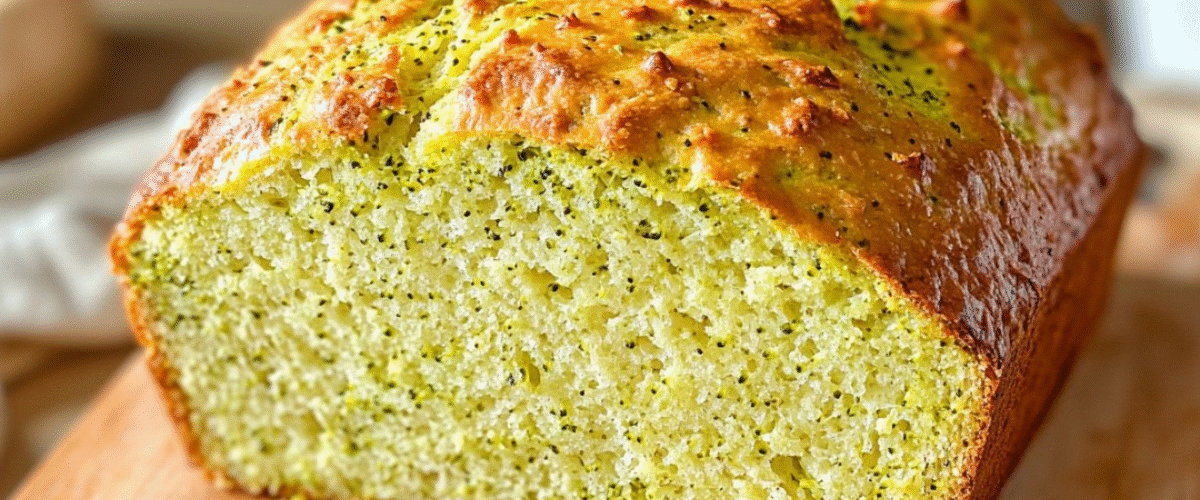
Este increíble pan de brócoli sin harina demuestra que a veces las recetas más sencillas dan los resultados más extraordinarios. Con solo cuatro ingredientes saludables, puedes crear un pan nutritivo y sin gluten, jugoso, sabroso y sorprendentemente satisfactorio. Su vibrante color verde proviene completamente del brócoli fresco, lo que hace que este pan sea tan atractivo a la vista como delicioso. Perfecto para quienes siguen un estilo de vida sin gluten, sin cereales o bajo en carbohidratos, esta receta abre un mundo de posibilidades para alternativas saludables al pan.
Ingredientes
Para un pan:
- 270 g (9,5 oz) de floretes de brócoli fresco (sin los tallos duros)
- 3 huevos grandes
- 100 g (3,5 oz) de harina de garbanzos (también llamada harina de garbanzos o harina de garbanzos)
- 1 cucharada de levadura en polvo (sin gluten si es necesario)
Adiciones opcionales:
- ½ cucharadita de sal (para realzar el sabor)
- ¼ cucharadita de ajo en polvo
- 2 cucharadas de levadura nutricional (para sabor a queso)
- 1 cucharadita de hierbas secas (orégano, tomillo o condimento italiano)
Para sugerencias de presentación:
- Queso de elección
- Pesto casero
- huevos escalfados
- Puré de aguacate
- Hummus
- Tomates en rodajas
- Hierbas frescas
Instrucciones paso a paso
Preparando el brócoli
Comience seleccionando brócoli fresco, de un verde vibrante, con ramilletes compactos y poco amarilleo. Retire los tallos gruesos y duros y córtelo en ramilletes manejables. Si bien los tallos son comestibles y nutritivos, pueden crear una textura fibrosa en el pan final, así que resérvelos para sopas, ensaladas o salteados, donde su textura crujiente es un gran atractivo.
Pese exactamente 270 gramos de ramilletes de brócoli para obtener resultados consistentes. Esta medida garantiza el equilibrio adecuado de humedad y estructura en el pan terminado. Enjuague los ramilletes con agua fría y séquelos con papel absorbente para eliminar el exceso de humedad.
Coloque los ramilletes de brócoli limpios y secos en una licuadora o procesador de alimentos de alta potencia. La clave para obtener un pan suave es asegurarse de que su equipo pueda procesar eficazmente la naturaleza fibrosa del brócoli crudo.
Creando la masa
Añade los tres huevos grandes a la licuadora junto con los ramilletes de brócoli. Los huevos a temperatura ambiente se licúan más fácilmente y crean una consistencia más suave que los huevos fríos recién sacados del refrigerador. Los huevos cumplen múltiples funciones en esta receta: actúan como aglutinante y aportan estructura y textura al pan.
Mide 100 gramos de harina de garbanzos y añádela a la licuadora. La harina de garbanzos, también conocida como harina de besan o harina de garbanzos, no contiene gluten y aporta proteínas, fibra y un ligero sabor a nuez que combina a la perfección con el brócoli. Si prefieres preparar tu propia harina de garbanzos, simplemente tritura los garbanzos secos en una licuadora de alta potencia hasta obtener un polvo fino.
Add one tablespoon of baking powder to the mixture. This leavening agent is crucial for creating the light, airy texture that makes this bread so appealing. Ensure your baking powder is fresh for optimal rising power.
Blending and Baking Preparation
Blend all ingredients together for approximately 30 seconds, or until the mixture becomes completely smooth and uniform in color. The batter should be a vibrant green with no visible chunks of broccoli remaining. Stop and scrape down the sides of the blender if necessary to ensure even mixing.
Preheat your oven to 180°C (350°F) while you prepare the baking pan. Line a standard loaf pan with parchment paper, ensuring the paper extends slightly over the edges for easy removal. Alternatively, you can use a silicone loaf pan, which requires no lining.
Pour the smooth batter into the prepared loaf pan, using a spatula to scrape every bit from the blender. Gently tap the pan on the counter a few times to release any air bubbles and ensure even distribution of the batter.
Baking the Bread
Place the filled loaf pan in the preheated oven and bake for approximately 30 minutes. The bread is done when the top is golden brown and springs back lightly when touched, and a toothpick inserted into the center comes out clean or with just a few moist crumbs.
The baking time may vary slightly depending on your oven and the exact dimensions of your loaf pan. Start checking for doneness around the 25-minute mark to prevent overbaking, which can result in a dry texture.
Remove the bread from the oven and allow it to cool in the pan for 5-10 minutes before transferring to a wire rack. The bread will be quite tender when hot, so this brief cooling period helps it maintain its structure during removal.
Serving and Storage
This broccoli bread is delicious served warm directly from the oven, with its soft, moist texture and subtle vegetable flavor. However, for the ultimate experience, slice the cooled bread into thick pieces and grill them briefly between sheets of parchment paper to prevent sticking.
Heat a grill pan or regular skillet over medium heat and place the parchment-wrapped bread slices on the surface for about one minute per side. This brief grilling creates a delightful contrast between the crispy exterior and tender interior, elevating the bread to restaurant-quality status.
The grilled slices make an excellent base for various toppings and can be used in place of traditional bread for sandwiches, toast, or open-faced creations.
Nutritional Information and Timing
Prep Time: 10 minutes
Cook Time: 30 minutes
Total Time: 40 minutes
Servings: 8-10 slices
Approximate Nutritional Information per Slice:
- Calories: 85-95
- Protein: 6g
- Carbohydrates: 8g
- Fat: 3g
- Fiber: 3g
- Sugar: 2g (natural)
- Sodium: 180mg
This bread is exceptionally nutrient-dense, providing significant amounts of vitamin C, vitamin K, folate, and fiber from the broccoli, plus complete protein from the eggs and additional protein and fiber from the chickpea flour. It’s naturally low in calories while being very satisfying.
Recipe Variations and Substitutions
Vegetable Variations
Replace the broccoli with cauliflower for a milder flavor and white-colored bread. Zucchini works wonderfully but should be grated and excess moisture squeezed out before blending. Spinach creates a beautiful deep green bread with a more subtle vegetable flavor.
Flour Alternatives
Almond flour can replace chickpea flour for a nuttier taste and lower carbohydrate content, though you may need to add an extra egg for binding. Coconut flour works but requires more liquid – start with 60g coconut flour and add water as needed for proper consistency.
Flavor Enhancements
Add Mediterranean herbs like oregano, basil, and thyme for an Italian-inspired version. Curry powder and turmeric create an Indian-spiced variation that pairs beautifully with the chickpea flour. Nutritional yeast adds a cheesy flavor without dairy.
Protein Boost
Incorporate 2-3 tablespoons of protein powder for additional protein content, though you may need to adjust liquid accordingly. Hemp seeds or chia seeds can be blended in for extra nutrition and subtle texture variation.
Sweet Version
For a breakfast-friendly version, add a mashed banana, a teaspoon of vanilla extract, and a pinch of cinnamon. This creates a sweet bread perfect for morning meals or snacks.
Frequently Asked Questions
Can I use frozen broccoli instead of fresh? Yes, but thaw the frozen broccoli completely and squeeze out as much moisture as possible before using. Frozen broccoli tends to have higher water content, which can affect the bread’s texture. You may need to add an extra tablespoon of chickpea flour to compensate.
How long does this bread stay fresh? Store the bread wrapped in plastic wrap or in an airtight container in the refrigerator for up to 5 days. For longer storage, slice the bread and freeze individual pieces for up to 3 months. Toast frozen slices directly from the freezer for best results.
Why is my bread too dense or heavy? This usually results from overmixing the batter or using old baking powder. Mix just until smooth, and ensure your baking powder is fresh and active. Also, make sure you’re measuring ingredients accurately – too much chickpea flour can create density.
Can I make this bread without eggs? For a vegan version, replace the three eggs with flax eggs (3 tablespoons ground flaxseed mixed with 9 tablespoons water, left to gel for 15 minutes) or commercial egg replacer. The texture will be slightly different but still delicious.
¿Cuál es la mejor manera de lograr la textura perfecta a la parrilla? Use fuego medio y no omita el papel de horno, que evita que se pegue y permite una buena transferencia de calor. Un minuto por lado suele ser perfecto; si se deja más tiempo, el pan puede endurecerse. El objetivo es una corteza ligeramente dorada que mantenga el interior suave.
Este pan de brócoli sin harina representa una revolucionaria forma de hornear saludable, demostrando que los ingredientes nutritivos pueden dar resultados sorprendentemente satisfactorios. Ya sea que evites el gluten por necesidad o por decisión propia, busques aumentar tu consumo de verduras o simplemente sientas curiosidad por métodos alternativos de horneado, esta receta cumple con todos los requisitos. Su versatilidad lo hace ideal para cualquier comida, desde tostadas para el desayuno hasta sándwiches, lo que lo convertirá en un ingrediente habitual en tu alimentación saludable.