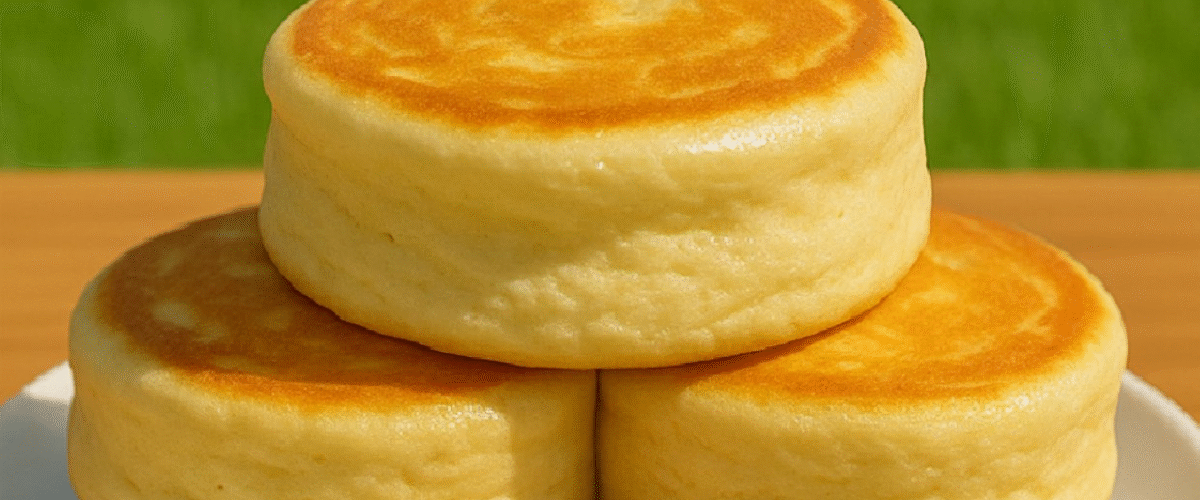
Siempre que se me antoja algo ligero como el aire pero increíblemente satisfactorio, recurro a estos panqueques japoneses . Con unos siete u ocho ingredientes de preparación, tu cocina empezará a oler a panqueque de ensueño. Estos no son los típicos panqueques planos a la plancha; son altos, como nubes, y se recuperan con un toque muy suave. Y déjenme decirles que, como chef que ha arruinado más panqueques de los que me gustaría admitir, perfeccionar esta receta fue todo un descubrimiento en el desayuno.
“Un buen panqueque nunca debe quedar plano, sino que debe levantarse, inflarse y mantener su esponjosidad con orgullo”. – @StackedHighChef
Por qué te enamorarás de estos panqueques
- Textura de nube: Las claras de huevo batidas dan a estos panqueques esa sensación temblorosa y de soufflé a la que es imposible resistirse.
- Ingredientes sencillos: Todo lo que necesitas probablemente ya esté en tu despensa.
- Fáciles de impresionar: sírvalos en el brunch y al instante se sentirá como un pastelero profesional.
- Sabor versátil: agrega matcha, cacao en polvo o ralladura de cítricos para cambiar el ambiente.
- Perfectos con aderezos: desde miel y bayas hasta chocolate rociado, combinan maravillosamente con casi cualquier cosa.
¿Buscas más inspiración para un desayuno ligero y esponjoso? No te pierdas nuestros panqueques de vainilla supersuaves o prueba la tarta de queso japonesa ultratierna si te apetece algo más sofisticado.
Cómo hacer panqueques japoneses paso a paso de la manera correcta
Ingredientes que necesitarás
- 1 taza de harina para todo uso ?
- 1 cucharada de levadura en polvo ?
- 2 cucharadas de azúcar ?
- Una pizca de sal
- 3/4 taza de leche entera ?
- 2 huevos grandes, separados ?
- 1 cucharadita de extracto de vainilla
- 2 cucharadas de mantequilla sin sal, derretida ?
- Aceite para cocinar
Herramientas de cocina que recomiendo
- Sartén o plancha antiadherente con tapa
- Cuencos grandes para mezclar
- Batidora de mano o batidora de pedestal (para claras de huevo)
- Espátula flexible
- Moldes de anillo (opcionales, pero excelentes para la altura)
Instrucciones de mi cocina
1. Mezclar los ingredientes secos
- En un tazón grande, mezcle la harina, el polvo para hornear, el azúcar y una pizca de sal. Esto formará la base de la masa para panqueques.
2. Mezclar los ingredientes húmedos
- En un recipiente aparte, bate las yemas de huevo, la leche, el extracto de vainilla y la mantequilla derretida hasta que se integren. Este paso le dará la cremosidad y textura deseadas.
3. Combine lo húmedo y lo seco
- Vierte la mezcla húmeda en el tazón seco y revuelve hasta que esté bien integrada. No mezcles demasiado. No importa si la masa queda un poco grumosa en este punto.
4. Batir las claras de huevo
- En un recipiente limpio y seco, bate las claras de huevo hasta que formen picos firmes. Aquí es donde ocurre la magia. No dejes de batir hasta que puedas girar el batidor y el pico se mantenga firme.
5. Incorpore suavemente las claras de huevo.
- Con una espátula, incorpore suavemente las claras de huevo a la masa en tres etapas. Tenga paciencia, ya que batir demasiado perderá todo el aire que acaba de incorporar.
6. Cook Slowly and Carefully
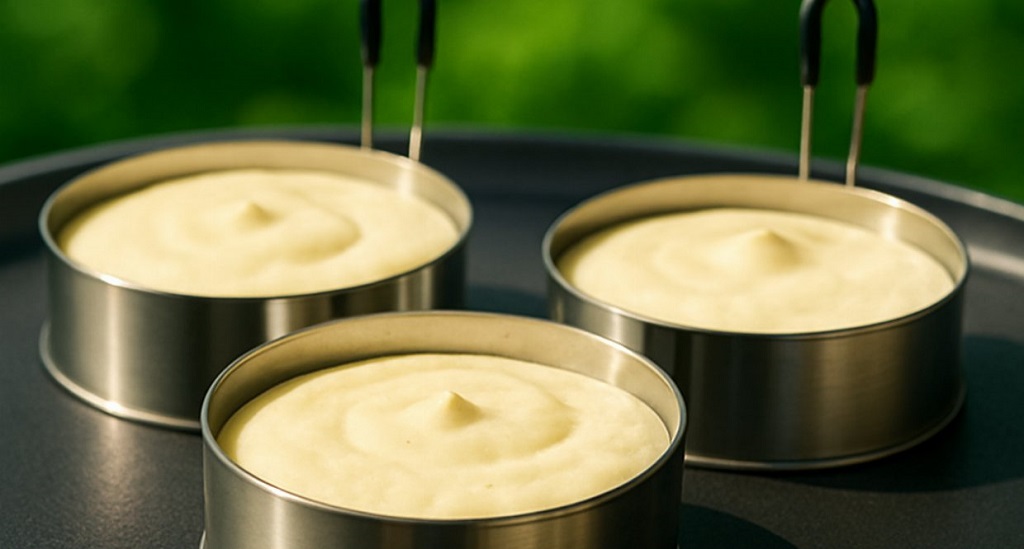
- Heat a nonstick skillet over low to medium heat and lightly oil it. If using ring molds, grease the insides as well.
- Ladle about 1/4 cup of batter into each mold or directly onto the pan, and cover with a lid. Cook for 3 to 4 minutes until bubbles appear and the bottom is golden.
- Flip gently with a spatula and cook another 2 to 3 minutes until both sides are golden and the center is set.
“Gentle heat and patience that’s how these pancakes reach their full fluffy glory.” – @PancakeWhisperer
Serving Suggestions From My Brunch Table
Dress Them Up or Keep It Classic
- Fresh berries and powdered sugar: A timeless combo that never misses.
- Whipped cream and lemon zest: Adds brightness and a soft contrast to the warmth.
- Honey and crushed nuts: A drizzle of sweetness with a crunch.
- Chocolate ganache: When dessert for breakfast calls your name.
- Alongside eggs and fruit: Make it part of a full brunch spread for family or guests.
Looking for more cozy ideas? Try pairing these pancakes with a warm golden potato bake or our crepe recipe for a soft and savory contrast.
“These pancakes aren’t just breakfast they’re a full experience on a plate.” – @BrunchTableChef
Chef Tips for Flipping the Perfect Japanese Pancake
Don’t Rush the Cook Time
One of the biggest challenges I’ve seen (and experienced myself) is flipping too early. Because these Japanese pancakes are so thick and airy, the middle needs a little extra patience. I always wait for visible bubbles on the surface and gently nudge the side with my spatula to ensure the base is set. If the pancake jiggles but holds its shape, it’s ready to flip.
Use Ring Molds for Uniform Shape
If you’re after those picture perfect round stacks, use a tall metal or silicone ring mold. This gives your pancakes extra height and helps hold their shape as they rise. Just don’t forget to grease the inside or the batter will stick.
Keep the Heat Low
Medium low heat works best. Anything higher and the outside will brown too quickly while the inside stays undercooked. I always preheat the pan for a few minutes, then test the heat by flicking a few drops of water. If they sizzle gently and evaporate slowly, you’re good to go.
“The secret to these pancakes isn’t just the batter it’s the pan temperature and timing.” – @PanFlipPro
Creative Ways to Flavor These Pancakes
Endless Customization Options
This recipe is the perfect blank canvas for experimenting. Whether you’re in the mood for something fruity or chocolatey, these additions keep your stacks exciting every time.
- Matcha Green Tea: Add 1 tablespoon of sifted matcha powder to the dry mix for a subtle earthy flavor.
- Chocolate Chip: Fold in a handful of mini chocolate chips after mixing to surprise every bite with sweetness.
- Berry Swirl: Gently fold in 1/4 cup of mashed blueberries or raspberries for fruity pockets.
- Banana Cinnamon: Mash one ripe banana and add 1/2 teaspoon of cinnamon to the wet ingredients for cozy flavor.
- Vanilla Almond: Add 1/2 teaspoon of almond extract along with the vanilla for a more nutty aroma.
Love creative twists? You’ll enjoy our moist yoghurt cake or orange blender cake, both of which take classic base recipes to the next level.
Pairing Ideas for a Complete Pancake Brunch
Build the Ultimate Brunch Plate
I’ve hosted more brunches than I can count, and every time these Japanese pancakes are the centerpiece. But the real trick is pairing them with just the right accompaniments to make the whole spread pop.
- Fruit Salad: A bowl of fresh pineapple, strawberries, and kiwi adds color and tanginess.
- Soft Scrambled Eggs: Creamy eggs balance the sweetness of the pancakes and give your plate some protein.
- Turkey Sausages: A savory, lean side that plays well with the pancake’s fluffy texture.
- Greek Yogurt Parfait: Layer with granola and berries for contrast and texture.
- Sparkling Water with Lemon: A fizzy, citrusy drink to refresh the palate.
If you want a more savory twist, you can always look into our crispy potato onion pancakes or pair with a slice of easy spinach quiche.
“Think beyond syrup. These pancakes deserve a full supporting cast.” – @BrunchBoardBoss
Common Mistakes and How to Fix Them
Overmixed Batter
One of the most common problems with Japanese pancakes is dense texture due to overmixing. The batter should be lumpy and thick before adding the whipped egg whites. And once you start folding, do it gently. Think of it as folding a blanket slow, deliberate, and gentle.
Flat Pancakes
If your pancakes aren’t rising, check two things: your baking powder might be expired, or the egg whites weren’t whipped properly. Always use fresh baking powder and beat your egg whites until they hold a stiff peak that doesn’t bend or fall over.
Uneven Cooking
This usually happens when the pan is too hot or when you overcrowd it. Stick to two pancakes at a time and keep the heat on medium low. Using a lid during cooking also helps trap steam, cooking them evenly from top to bottom.
Storage and Reheating Tips
Fresh is Best but You’ve Got Options
Honestly, these pancakes are best eaten the same day, but if you make a big batch, here’s how to handle the leftovers:
| Storage Method | How to Store | How to Reheat |
|---|---|---|
| Room Temperature | Store in an airtight container for up to 8 hours | Reheat in a skillet over low heat for 1-2 minutes each side |
| Refrigerator | Place in a zip top bag or airtight box for up to 2 days | Microwave for 20-30 seconds or reheat on a skillet |
| Freezer | Wrap each pancake in parchment, store in freezer safe bag | Thaw in fridge, then warm on skillet or in toaster oven |
Bonus tip: Pancakes from frozen reheat better if you use the toaster oven instead of the microwave it helps restore a crisp outside while keeping the inside soft.
“Even the best pancakes deserve a second life. Don’t toss them toast them.” – @LeftoverLegend
Frequently Asked Questions About Japanese Pancakes
Can I make these pancakes ahead of time?
While they’re best enjoyed fresh, you can store them in the fridge for up to 2 days or freeze them for longer. Reheat gently in a skillet or toaster oven to bring back their soft, fluffy texture.
Why are my pancakes not fluffy?
This often happens when the egg whites aren’t whipped enough or are overmixed into the batter. Make sure to whip to stiff peaks and fold gently to keep the air intact.
Can I use all purpose flour instead of cake flour?
Yes, all purpose flour works just fine. However, if you want an even softer crumb, you can substitute with cake flour or use a mix of the two.
Do I need a mold to make Japanese pancakes?
No, but a mold helps achieve that signature height and uniform shape. Without it, they’ll still be fluffy, just a bit more rustic looking.
Can I skip separating the eggs?
Separating the eggs and whipping the whites is what gives these pancakes their airy lift. If you skip this step, the pancakes will be thicker but not as tall or fluffy.
What’s the best way to serve Japanese pancakes?
I love serving them with powdered sugar, fresh berries, whipped cream, or a drizzle of maple syrup. For a twist, try flavored syrups or yogurt based toppings. You can even go savory with smoked salmon or herbed cream cheese!
Can I make them dairy free?
Yes! Use a plant based milk like almond or oat, and swap the butter for coconut oil or dairy free margarine. The texture may be slightly different, but still delicious.
Can I use a nonstick spray instead of oil?
Absolutely. Just make sure the surface is lightly coated to avoid burning the bottom or sticking, especially if you’re using a mold.
What’s the calorie count per pancake?
Each pancake contains approximately 90 calories, depending on the size and toppings. For lower calorie versions, use skim milk and reduce the sugar slightly.
Can I double the recipe?
Yes, this recipe doubles beautifully. Just make sure to cook in batches and keep the pancakes warm in a 200°F (95°C) oven while you finish the rest.