Introducción
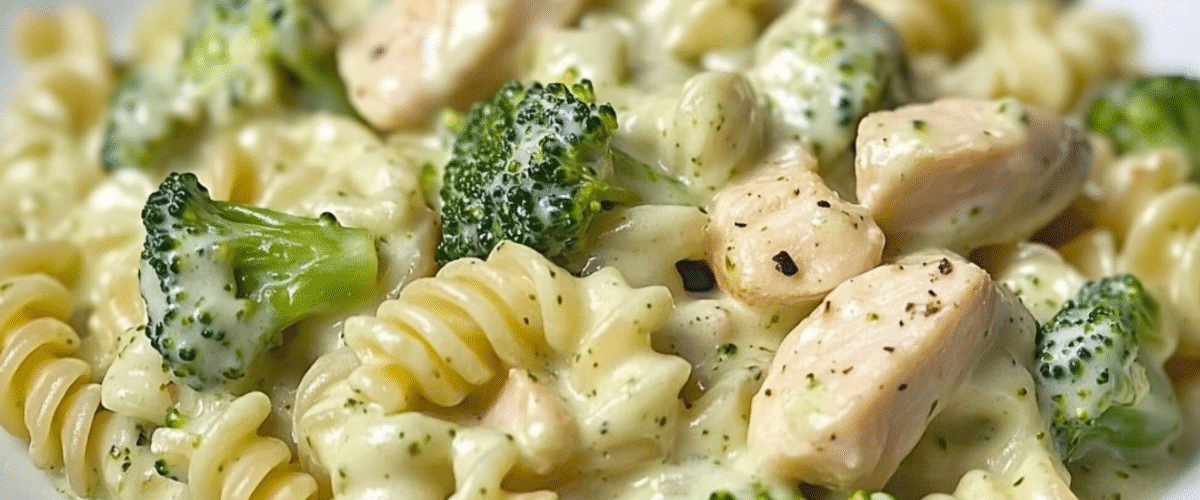
Esta pasta cremosa de pollo, calabacín y brócoli combina tiernos trozos de pollo con vibrantes verduras en una cremosa salsa de parmesano, todo coronado con un pesto casero de albahaca y piñones, brillante y aromático. El plato logra un equilibrio perfecto entre riqueza y frescura, convirtiéndolo en una comida reconfortante ideal que no resulta pesada. Las texturas contrastantes de la pasta al dente, el jugoso pollo y las verduras crujientes y tiernas crean una sinfonía de sabores en cada bocado. Ya sea para una cena familiar o para una ocasión especial, este plato ofrece resultados de calidad de restaurante con una preparación sencilla, lo que lo convierte en un éxito garantizado que hará que todos pidan otra ración.
Ingredientes
Para el pollo y la salsa
- 2 filetes de pollo deshuesados y sin piel (≈300 g/10,5 oz), cortados en trozos de 1 a 2 cm
- 1 cucharadita de mezcla de hierbas italianas secas (orégano, albahaca, tomillo)
- Sal y pimienta negra recién molida, al gusto.
- 1 cucharada (15 ml) de aceite vegetal
- 1 cucharada (14 g) de mantequilla sin sal
- 1 cebolla pequeña (≈100 g/3,5 oz), finamente picada
- 3 dientes de ajo picados
- ½ calabacín (≈120 g/4,2 oz), cortado en medias lunas
- 1 cabeza pequeña de brócoli (≈200 g/7 oz), cortada en floretes del tamaño de un bocado
- 250 ml (1 taza) de crema espesa
- 50 g (½ taza) de queso parmesano rallado, más extra para servir
Para la pasta
- 200 g (7 oz) de pasta seca (se recomiendan penne, fusilli o rigatoni)
- 1 cucharadita de sal (para agua hirviendo)
- Agua de cocción de la pasta reservada (≈3 cucharadas/45 ml)
Para el pesto de albahaca y piñones
- 2 dientes de ajo pelados
- 50 g (⅓ taza) de piñones, ligeramente tostados
- 2 tazas de hojas de albahaca fresca, compactadas (≈50 g/1,8 oz)
- 50 g (½ taza) de queso parmesano rallado
- 60 ml (¼ de taza) de aceite de oliva virgen extra
- Sal y pimienta negra al gusto.
Para decorar
- Parmesano rallado extra (≈20 g/¼ taza)
- Perejil fresco picado
Instrucciones
- Sazonar el pollo
- Seque los trozos de pollo con toallas de papel para asegurar que se doren adecuadamente.
- En un tazón mediano, mezcle el pollo con las hierbas italianas, ½ cucharadita de sal y una molienda generosa de pimienta negra.
- Déjalo marinar brevemente mientras empiezas a preparar los demás componentes.
- Cocine la pasta y el brócoli
- Ponga a hervir una olla grande con agua y luego agregue 1 cucharadita de sal.
- Agregue la pasta y cocínela según las instrucciones del paquete hasta que esté al dente (generalmente de 8 a 10 minutos).
- Cuando falten unos 3 minutos para que la pasta se cocine, agregue los floretes de brócoli a la misma olla para hervirlos junto con la pasta.
- Antes de escurrir, reserve 3 cucharadas del agua de cocción con almidón.
- Escurre la pasta y el brócoli juntos en un colador.
- Sellar el pollo
- Mientras se cocina la pasta, caliente el aceite vegetal en una sartén grande a fuego medio-alto hasta que brille.
- Añade los trozos de pollo sazonados en una sola capa, teniendo cuidado de no sobrecargar la sartén (trabaja en tandas si es necesario).
- Sellar sin remover durante 2 minutos hasta formar una costra dorada.
- Stir and continue cooking for an additional 2–3 minutes until chicken is cooked through with no pink remaining.
- Transfer chicken to a plate and tent loosely with aluminum foil to keep warm.
- Sauté Aromatics & Vegetables
- Return the same skillet to the stove and reduce heat to medium.
- Add butter and allow it to melt, then add chopped onion.
- Sauté for 3–4 minutes until onion becomes soft and translucent.
- Add minced garlic and cook for 1 minute more until fragrant, stirring constantly to prevent burning.
- Add zucchini slices and cook for 2–3 minutes until just tender but still bright green and slightly crisp.
- Build the Cream Sauce
- Pour heavy cream into the skillet with vegetables, scraping any browned bits from the bottom of the pan to incorporate their flavor.
- Bring the cream to a gentle simmer (do not boil).
- Return the chicken pieces to the skillet.
- Add the drained pasta and broccoli to the sauce.
- Sprinkle in 50 g Parmesan cheese and stir to combine everything thoroughly.
- If the sauce seems too thick, add the reserved pasta water 1 tablespoon at a time until you reach a smooth, silky consistency that coats the pasta.
- Taste and adjust seasoning with additional salt and pepper if necessary.
- Prepare the Basil–Pine Nut Pesto
- While the sauce simmers, place garlic and toasted pine nuts in a food processor.
- Pulse several times until coarsely chopped but not pasty.
- Add basil leaves and pulse 3–4 times until roughly combined but still maintaining some texture.
- With the motor running, slowly drizzle in olive oil until the mixture emulsifies into a vibrant green paste.
- Transfer to a bowl and stir in 50 g Parmesan cheese.
- Season with salt and pepper to taste.
- Plate & Garnish
- Divide the creamy pasta mixture among warm serving bowls.
- Add a generous dollop of fresh pesto on top of each portion, or swirl it through for a marbled effect.
- Finish with a sprinkle of extra Parmesan cheese and chopped parsley.
- Serve immediately while hot.
Nutritional Information
Per serving (based on 4 servings):
- Calories: 695
- Protein: 32g
- Carbohydrates: 47g
- Fat: 43g
- Saturated Fat: 18g
- Fiber: 5g
- Sodium: 550mg
Preparation Time: 20 minutes
Cooking Time: 25 minutes
Total Time: 45 minutes
Servings: 4
Cooking Tips and Tricks
Perfect Chicken Texture
For the juiciest chicken pieces, avoid overcooking. Remove from heat as soon as they’re no longer pink inside (about 165°F/74°C internal temperature). The chicken will continue cooking slightly when returned to the sauce.
Al Dente Pasta Secret
Cook pasta 1-2 minutes less than package directions for perfect al dente texture, as it will continue cooking when added to the hot sauce. This prevents mushy pasta in the final dish.
Vegetable Doneness
The key to vibrant, flavorful vegetables is cooking them until just tender while maintaining their bright color. Broccoli should still have a slight bite, and zucchini should hold its shape without becoming soggy.
Pesto Preparation
Toast pine nuts in a dry skillet over medium-low heat until golden and fragrant (3-4 minutes), shaking the pan frequently to prevent burning. This simple step significantly enhances their flavor and aroma in the finished pesto.
Cream Sauce Consistency
The perfect cream sauce should coat the back of a spoon without being too thick or too runny. Remember that the sauce will thicken slightly as it cools, so err on the side of a little thinner when cooking.
Variations and Substitutions
Protein Alternatives
Substitute the chicken with:
- Grilled shrimp (add at the end to prevent overcooking)
- Italian sausage (removed from casings and crumbled)
- For vegetarian options, use firm tofu cubes or cannellini beans
Vegetable Variations
Mix and match vegetables based on seasonality:
- Replace zucchini with yellow summer squash or bell peppers
- Substitute broccoli with broccolini, asparagus, or green peas
- Add halved cherry tomatoes in the last few minutes of cooking for bursts of acidity
Dairy Alternatives
For a lighter version:
- Use half-and-half or whole milk thickened with 1 tablespoon of flour instead of heavy cream
- Replace some of the cream with chicken broth for a less rich sauce
- For dairy-free options, use full-fat coconut milk and nutritional yeast instead of Parmesan
Pesto Adaptations
Try these pesto variations:
- Substitute half the basil with baby spinach for a milder flavor
- Replace pine nuts with walnuts, almonds, or pepitas (pumpkin seeds) for different flavor profiles and lower cost
- Add a squeeze of lemon juice to brighten the pesto
Pasta Options
While short, ridged pasta shapes work best to catch the creamy sauce:
- Whole wheat pasta adds nutty flavor and extra fiber
- Gluten-free pasta works well for those with dietary restrictions
- Fresh pasta can be substituted for dried, but reduce cooking time accordingly
Common FAQs
Can I make this dish ahead of time?
Partially. You can prepare the pesto up to 3 days ahead and store it in the refrigerator with a thin layer of olive oil on top to prevent browning. The pasta dish itself is best made fresh, as reheating can cause the sauce to break and the pasta to become mushy.
How do I store leftovers?
Store any leftovers in an airtight container in the refrigerator for up to 2 days. Reheat gently on the stovetop over medium-low heat, adding a splash of milk or cream to revitalize the sauce.
Can I freeze this pasta dish?
Cream-based pasta dishes don’t freeze well as the sauce tends to separate when thawed. The pesto, however, can be frozen in ice cube trays for up to 3 months.
My sauce curdled. How can I fix it?
If your sauce breaks or curdles, remove from heat immediately and whisk in 1-2 tablespoons of cold cream. Alternatively, create a slurry with 1 teaspoon cornstarch and 1 tablespoon cold water, then whisk into the sauce over low heat until smooth.
Can I use pre-made pesto instead of homemade?
Sí, para mayor comodidad, puede sustituir aproximadamente ½ taza de pesto comercial. Sin embargo, el sabor del pesto recién hecho es mucho más intenso y puede ajustarlo a su gusto.
Consejos para almacenar y preparar con anticipación
Almacenamiento de pesto
El pesto casero se puede guardar en un recipiente hermético en el refrigerador hasta por 5 días. Vierta una fina capa de aceite de oliva por encima para evitar la oxidación y el oscurecimiento. Para una conservación más prolongada, congele el pesto en cubiteras y luego transfiera los cubitos congelados a una bolsa para congelar hasta por 3 meses.
Componentes de preparación anticipada
Para agilizar la cocción, puedes:
- Corte y sazone el pollo hasta 24 horas antes (guárdelo tapado en el refrigerador)
- Picar todas las verduras el día anterior y guardarlas en recipientes separados en el refrigerador.
- Tostar los piñones con antelación y guardarlos en un recipiente hermético a temperatura ambiente.
Pautas de recalentamiento
Para recalentar las sobras:
- Calentar suavemente en una sartén a fuego medio-bajo.
- Añade 1-2 cucharadas de leche o crema para revitalizar la salsa.
- Remueve con frecuencia pero con cuidado para evitar que se deshagan la pasta y las verduras.
- Agregue pesto fresco solo después de recalentarlo para conservar su sabor y color vibrantes.
Conviértalo en una preparación de comidas
Para preparar las comidas, considere preparar tandas dobles de pollo y verduras, luego usar la mitad para este plato de pasta y guardar la otra mitad para otras comidas como wraps, ensaladas o tazones de cereales más adelante en la semana.
Sugerencias de presentación
Completa tu comida con:
- Una ensalada verde sencilla con vinagreta de limón.
- Pan de ajo caliente y crujiente
- Un vino blanco ligero y fresco como el Pinot Grigio o el Sauvignon Blanc.
Esta pasta cremosa de pollo, calabacín y brócoli con pesto de albahaca y piñones combina los sabores clásicos italianos en un plato armonioso que resulta a la vez delicioso y placentero. Sus vibrantes colores y texturas complementarias lo hacen tan atractivo visualmente como delicioso. Ya sea para una cena familiar entre semana o para recibir invitados, este versátil plato de pasta sin duda impresionará con su equilibrio de cremosidad reconfortante y vibrantes notas herbales.