Introducción
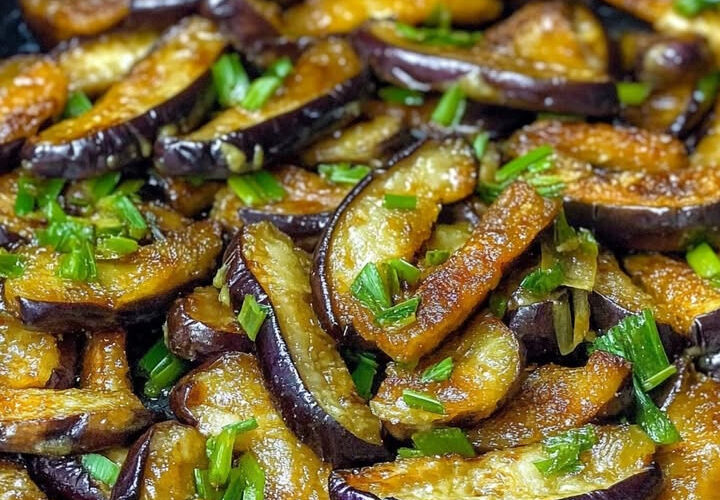
¡Transforma la humilde berenjena en un plato espectacular con este irresistible Salteado de Berenjenas Crujientes con Ajo! Lejos de las preparaciones de berenjena blandas y sosas que quizás hayas visto, esta receta te ofrece piezas perfectamente caramelizadas con bordes crujientes y un interior tierno y sabroso. El secreto está en la técnica de cocción y el equilibrio perfecto entre el sabor sabroso del ajo y un toque dulce que convencerá incluso a los más escépticos de las berenjenas. Ya sea como una guarnición vibrante con tu proteína favorita, mezclada con fideos o como parte de un festín vegetariano, esta receta rápida y fácil lleva berenjenas chinas con calidad de restaurante directamente a tu mesa. Lista en solo 20 minutos, es la manera perfecta de realzar tus cenas entre semana o impresionar a tus invitados en tu próxima reunión.
Ingredientes
Para la berenjena:
- 2 berenjenas asiáticas grandes o berenjenas normales (aproximadamente 700 g/1,5 lb)
- 2 cucharadas de aceite de oliva (o aceite vegetal)
- 2 dientes de ajo picados
- 1 cucharadita de sal, dividida
- 1 cucharadita de pimienta negra, dividida
- 1 cucharadita de condimento italiano (o sustitúyalo por ½ cucharadita de albahaca seca y ½ cucharadita de orégano seco)
- 2 cucharadas de cebollas verdes frescas (cebolletas), picadas
Para la salsa (opcional pero recomendada):
- 1 cucharada de salsa de soja (light o normal)
- 1 cucharada de vinagre de arroz
- 2 cucharaditas de miel o azúcar morena
- ½ cucharadita de aceite de sésamo
- ¼ de cucharadita de hojuelas de pimiento rojo (opcional para picante)
Para decorar:
- Cebolletas picadas adicionales
- Hojas de albahaca fresca, cortadas en rodajas finas o desgarradas
- Semillas de sésamo tostadas (opcional)
Instrucciones
- Preparación de la berenjena: Lave las berenjenas y séquelas. Quíteles los tallos y córtelas en rodajas de aproximadamente 0,6 cm (¼ de pulgada) de grosor. Para las berenjenas chinas o japonesas, córtelas en rodajas diagonales. Para las berenjenas globo comunes, córtelas en medias lunas o tiras.
- Tratamiento de sal opcional: Para eliminar el amargor y el exceso de humedad, coloque las berenjenas cortadas en un colador y espolvoree con ½ cucharadita de sal. Déjelas reposar de 15 a 30 minutos, luego enjuáguelas y séquelas bien con papel absorbente. (Puede omitir este paso si tiene poco tiempo o si usa berenjenas jóvenes y frescas).
- Prepara la salsa: Si la usas, combina todos los ingredientes en un tazón pequeño y bate hasta que estén bien combinados. Reserva.
- Condimentar la berenjena: en un tazón grande, mezcle las rodajas de berenjena con ½ cucharadita de sal, ½ cucharadita de pimienta y el condimento italiano, asegurándose de que todos los trozos estén cubiertos de manera uniforme.
- Calienta la sartén: Calienta una sartén antiadherente grande o un wok a fuego medio-alto. Agrega el aceite de oliva y deja que se caliente bien (pero sin que humee).
- Cook the eggplant in batches: Working in batches to avoid overcrowding, arrange eggplant slices in a single layer in the hot pan. Cook without disturbing for 3-4 minutes until the bottoms are golden brown.
- Flip and continue cooking: Turn each piece and cook for another 2-3 minutes until the second side is browned and the eggplant is tender but not mushy.
- Add garlic and seasonings: When the last batch of eggplant is almost done, add the minced garlic to the pan along with the remaining ½ teaspoon each of salt and pepper. Stir quickly to prevent burning, cooking for about 30 seconds until fragrant.
- Return all eggplant to the pan: If you cooked in batches, return all the eggplant to the pan. If using the sauce, pour it over the eggplant now and toss to coat evenly. Let it bubble and reduce slightly for 1-2 minutes.
- Add green onions: Toss in the chopped green onions and stir for another 30 seconds.
- Serve: Transfer to a serving dish, garnish with additional green onions, fresh basil, and sesame seeds if desired. Serve immediately while hot and crispy.
Nutritional Information and Timing
Prep Time: 10 minutes (25 minutes if salting eggplant) Cook Time: 10-15 minutes Total Time: 20-40 minutes
Servings: 4 as a side dish
Per Serving:
- Calories: 120
- Fat: 7g
- Saturated Fat: 1g
- Carbohydrates: 14g
- Fiber: 5g
- Sugar: 7g (with sauce)
- Protein: 2g
- Sodium: 650mg
Cooking Tips and Tricks
- Choose the right eggplant: Chinese or Japanese eggplants (the long, thin variety) cook more quickly and have a sweeter flavor with fewer seeds. If using regular globe eggplants, look for smaller ones which tend to be less bitter.
- The secret to non-soggy eggplant: There are three keys to perfectly crispy eggplant:
- Make sure your pan is very hot before adding the eggplant
- Don’t overcrowd the pan (work in batches)
- Resist the urge to move the eggplant too frequently while cooking
- Oil considerations: Eggplant acts like a sponge for oil. To minimize absorption, make sure your oil is properly heated before adding the eggplant. Alternatively, you can brush each slice with oil instead of adding oil to the pan.
- Garlic timing: Add garlic toward the end of cooking to prevent burning. Burnt garlic becomes bitter and can ruin the dish.
- Testing for doneness: Perfectly cooked eggplant should be tender enough that a fork easily pierces through, but still holding its shape without becoming mushy.
- Flavor boost: For deeper flavor, add a splash of Shaoxing wine or dry sherry to the sauce.
- Achieving maximum browning: Pat the eggplant completely dry after washing (and especially after salting) to ensure proper browning.
- Heat management: If your pan starts to smoke or the eggplant is browning too quickly, reduce the heat slightly. You want steady, consistent browning.
Variations and Substitutions
- Spice it up: Add 1-2 fresh minced chili peppers or 1 teaspoon of chili crisp oil for a spicy version.
- Asian-inspired: Replace Italian seasoning with 1 teaspoon of Chinese five-spice powder for an authentic Chinese restaurant flavor.
- Mediterranean style: Skip the soy sauce-based sauce and instead finish with a drizzle of balsamic glaze, fresh lemon juice, and crumbled feta cheese.
- Herb variations: Swap basil for cilantro, mint, or Thai basil depending on your flavor preferences.
- Protein boost: Add 8 ounces of ground chicken, turkey, or crumbled tofu to the pan before cooking the eggplant for a complete one-pan meal.
- Vegetable additions: Include other quick-cooking vegetables like bell peppers, zucchini, or snap peas in the last 2-3 minutes of cooking.
- Oil alternatives: While olive oil works well, peanut oil, avocado oil, or sesame oil can provide different flavor profiles. For an authentic Chinese preparation, use peanut oil.
- Make it vegan: If using the sauce, replace honey with maple syrup or agave nectar.
Common FAQs
Q: Why is my eggplant bitter even after cooking?
A: Older or larger eggplants can have more bitterness. Always use the salting method for these eggplants, and make sure to choose younger, smaller eggplants when possible. The caramelization from proper cooking also helps reduce bitterness.
Q: Should I peel the eggplant?
A: Peeling is optional. The skin adds color, nutrients, and helps the slices hold their shape during cooking. For older eggplants with thicker skin, partial peeling (creating “stripes”) offers a good compromise.
Q: My eggplant absorbed all the oil and still isn’t crispy. What went wrong?
A: The pan was likely not hot enough before adding the eggplant, or the pan was overcrowded. Make sure your pan is properly preheated and cook in batches, giving each piece enough space for moisture to evaporate.
Q: Can I bake this instead of stir-frying?
A: Yes! Toss eggplant with oil and seasonings, spread in a single layer on a baking sheet, and roast at 425°F (220°C) for 25-30 minutes, flipping halfway through. The texture will be different but still delicious.
Q: How can I tell if an eggplant is fresh when shopping?
A: Look for eggplants with tight, glossy skin that feel heavy for their size. The stem should be green and fresh-looking. When pressed gently, the eggplant should spring back slightly, not remain indented.
Storage and Make-Ahead Tips
Room Temperature:
- This dish is best served immediately after cooking when the eggplant is at its crispiest.
- Puede permanecer a temperatura ambiente hasta 2 horas para servir en reuniones.
Refrigerador:
- Guarde las sobras en un recipiente hermético en el refrigerador hasta por 3 días.
- Tenga en cuenta que la berenjena refrigerada perderá su textura crujiente, pero seguirá estando sabrosa.
Congelador:
- Si bien es posible, no se recomienda congelarla ya que altera significativamente la textura de la berenjena y la vuelve blanda al descongelarse.
Recalentamiento:
- Para obtener mejores resultados, vuelva a calentar en una sartén a fuego medio-alto durante 3 a 4 minutos para restaurar su textura crujiente.
- Evite recalentar en el microondas si es posible, ya que esto hará que la berenjena quede muy blanda.
Opciones para preparar con antelación:
- Preparación: Cortar la berenjena en rodajas y preparar la salsa hasta con 24 horas de antelación, guardándolas aparte en el frigorífico.
- Sal con anticipación: Complete el paso de salazón más temprano en el día, luego enjuague, seque completamente y refrigere las rodajas de berenjena hasta el momento de cocinarlas.
- Cocción parcial: Para recibir invitados, puedes cocinar parcialmente la berenjena hasta que esté dorada, dejarla enfriar por completo y terminar de cocinarla con ajo y salsa justo antes de servir.
Sugerencias de presentación:
- Combínalo con arroz al vapor o fideos para una comida satisfactoria.
- Sirva junto con pollo a la parrilla, pescado o tofu para una combinación completa de proteínas y vegetales.
- Inclúyalo como parte de un festín vegetariano con otras verduras salteadas o al vapor.
- Úselo como relleno para wraps o sándwiches con hummus y verduras frescas.
Este salteado crujiente de berenjenas al ajillo transforma una verdura a veces difícil en un plato irresistible que hará que todos pidan otra ración. Con su equilibrio perfecto de texturas y sabores, demuestra que ingredientes sencillos, preparados con la técnica adecuada, pueden dar resultados realmente extraordinarios.