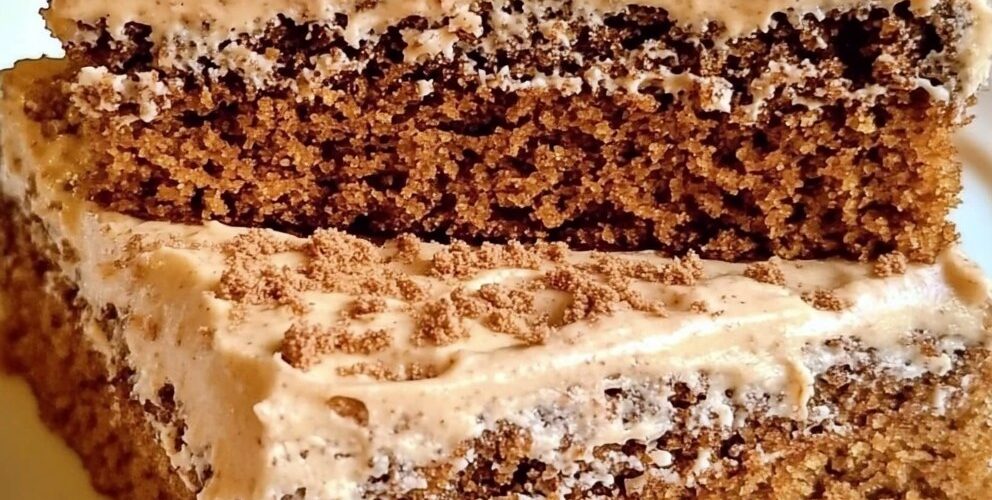
Este increíble pastel de zanahoria sin harina ofrece toda la exquisitez jugosa y especiada del pastel de zanahoria tradicional, sin harina refinada ni exceso de azúcar. Elaborado con almendras molidas ricas en nutrientes y endulzado naturalmente con miel, este pastel lleva un suntuoso glaseado de requesón que complementa a la perfección la tierna y sabrosa base.
Ingredientes
Para 8-10 porciones:
Base de pastel
- 200 g / 7 oz de zanahorias peladas y ralladas
- 2 huevos grandes
- 2-3 cucharadas de miel (45 ml/1,5 fl oz)
- 1 cucharadita de bicarbonato de sodio
- 2-3 gotas de vinagre de vino blanco
- 200 g / 7 oz / 2 tazas de almendras molidas (harina de almendras)
- 1/2 cucharadita de canela molida
- 1/4 cucharadita de sal
Glaseado de requesón
- 150 g / 5,3 oz de requesón, a temperatura ambiente
- 25 g / 0,9 oz / 2 cucharadas de mantequilla, ablandada a temperatura ambiente
- 1 cucharada de miel (15 ml/0,5 fl oz)
Guarnición opcional
- Almendras extra molidas para espolvorear
- Una pizca de canela para espolvorear
- Zanahoria rallada para decorar
Instrucciones paso a paso
Preparación (25 minutos)
Paso 1: Precaliente el horno a 180 °C (160 °C con ventilador) / 350 °F / Gas Mark 4. Cubra un molde para pastel redondo de 20 cm (8 pulgadas) con papel pergamino y engrase ligeramente los lados con mantequilla o aceite.
Paso 2: Prepare las zanahorias lavándolas, pelándolas y rallándolas con los agujeros finos de un rallador de caja o un procesador de alimentos. Las zanahorias deben rallarse finamente para asegurar una cocción uniforme y una textura suave en el pastel.
Paso 3: Coloque las zanahorias ralladas en un paño de cocina limpio y exprímalas suavemente para eliminar el exceso de humedad. Este paso es crucial para evitar que el pastel quede pastoso y asegurar una textura adecuada.
Paso 4: Deje que el requesón y la mantequilla alcancen la temperatura ambiente. Esto facilitará su mezcla y creará un glaseado más suave. Esto suele tardar entre 30 y 60 minutos, dependiendo de la temperatura ambiente.
Preparación de la masa del pastel (10 minutos)
Paso 5: En un tazón grande, bata los huevos hasta que estén ligeros y espumosos. Agregue gradualmente la miel, batiendo continuamente hasta que la mezcla esté bien integrada y ligeramente pálida.
Paso 6: En un tazón pequeño, combine el bicarbonato de sodio con el vinagre de vino. La mezcla formará espuma inmediatamente, lo que activa el leudante. Agregue rápidamente esto a la mezcla de huevo y miel, revolviendo bien.
Paso 7: Agrega las almendras molidas, la canela y la sal a los ingredientes húmedos. Mezcla suavemente con una espátula hasta que se integren, teniendo cuidado de no mezclar demasiado, ya que el pastel podría quedar denso.
Paso 8: Incorpore las zanahorias ralladas preparadas, distribuyéndolas uniformemente por toda la masa. La mezcla debe quedar espesa pero húmeda, con trozos de zanahoria visibles por todas partes.
Proceso de horneado (35 minutos)
Step 9: Pour the batter into the prepared cake pan, spreading it evenly with a spatula. Gently tap the pan on the counter to release any air bubbles and level the surface.
Step 10: Bake for 30-35 minutes, until the top is golden brown and a toothpick inserted into the center comes out with just a few moist crumbs. The cake should spring back lightly when touched in the center.
Step 11: Remove from the oven and let the cake cool in the pan for 10 minutes before turning it out onto a wire rack to cool completely. This prevents the cake from breaking and allows the structure to set properly.
Preparing the Frosting (10 minutes)
Step 12: While the cake cools, prepare the cottage cheese frosting. In a medium bowl, whisk the softened butter until light and creamy, about 2-3 minutes by hand or 1 minute with an electric mixer.
Step 13: Add the room temperature cottage cheese to the butter, mixing gently until combined. For a smoother frosting, press the cottage cheese through a fine-mesh sieve before adding to remove any lumps.
Step 14: Drizzle in the honey and mix until the frosting is smooth and spreadable. Taste and adjust sweetness if needed, adding more honey gradually to achieve your preferred level of sweetness.
Assembly and Finishing (15 minutes)
Step 15: Once the cake is completely cool, carefully slice it horizontally into two equal layers using a long, sharp knife. Work slowly to ensure even layers.
Step 16: Place the bottom layer on your serving plate and spread half of the cottage cheese frosting evenly over the surface, leaving a small border around the edges.
Step 17: Gently place the second layer on top and spread the remaining frosting over the top surface. Use a palette knife or offset spatula to create smooth, even coverage.
Step 18: If desired, sprinkle the top with additional ground almonds and a light dusting of cinnamon for decoration and extra flavor.
Nutritional Information
Per slice (1 of 10):
- Calories: 245
- Protein: 9g
- Carbohydrates: 12g
- Dietary Fiber: 4g
- Fat: 18g
- Sugar: 10g (naturally occurring)
- Calcium: 95mg
- Vitamin A: 180% Daily Value
- Vitamin E: 25% Daily Value
- Magnesium: 15% Daily Value
Total preparation time: 85 minutes (45 minutes prep + 35 minutes baking + 5 minutes cooling) Yield: 8-10 slices
This flourless carrot cake provides excellent sources of healthy fats from almonds, beta-carotene from carrots, and protein from eggs and cottage cheese. It’s naturally gluten-free and significantly lower in refined sugars compared to traditional carrot cake recipes.
Recipe Variations and Substitutions
Flavor Enhancements
Spiced Version: Add 1/4 teaspoon each of ground ginger, nutmeg, and allspice for a more complex spice profile reminiscent of traditional carrot cake spicing.
Citrus Twist: Include the zest of one orange or lemon in the batter and add a teaspoon of citrus juice to the frosting for brightness and depth.
Nutty Addition: Fold in 60g chopped walnuts or pecans for extra texture and flavor. Toast the nuts lightly before adding for enhanced taste.
Coconut Variation: Replace 50g of ground almonds with unsweetened shredded coconut for a tropical twist that pairs beautifully with carrot.
Dietary Modifications
Vegan Option: Replace eggs with 2 flax eggs (2 tablespoons ground flaxseed mixed with 6 tablespoons water), use vegan butter, and substitute the cottage cheese frosting with cashew cream or vegan cream cheese.
Dairy-Free: Use dairy-free butter alternative and replace cottage cheese with thick coconut cream or cashew-based cream cheese for the frosting.
Lower Sugar: Reduce honey to 1 tablespoon in the cake and eliminate it from the frosting, relying on the natural sweetness of carrots. Add stevia to taste if additional sweetness is desired.
Nut-Free: Replace ground almonds with sunflower seed flour or pumpkin seed flour for those with tree nut allergies, though the texture will be slightly different.
Frosting Alternatives
Cream Cheese Frosting: Use traditional cream cheese frosting made with 150g cream cheese, 50g butter, and 2 tablespoons honey for a richer option.
Whipped Coconut Cream: Chill a can of full-fat coconut milk overnight, whip the solid cream with honey, and use as a lighter dairy-free alternative.
Greek Yogurt Frosting: Mix thick Greek yogurt with honey and a touch of vanilla for a protein-rich, tangy frosting option.
Storage and Serving Suggestions
Store this flourless carrot cake covered in the refrigerator for up to 5 days due to the cottage cheese frosting. The cake actually improves in flavor after the first day as the ingredients meld together. For longer storage, the unfrosted cake can be wrapped and frozen for up to 3 months.
Serve slices at room temperature for the best flavor and texture. Allow the cake to sit out for 15-20 minutes before serving if it has been refrigerated. This cake pairs beautifully with coffee, tea, or a glass of cold milk.
For special occasions, garnish individual slices with a sprinkle of toasted chopped nuts, a drizzle of honey, or fresh berries. The cake is elegant enough for dinner parties yet wholesome enough for everyday enjoyment.
Frequently Asked Questions
Why is my cake dense or heavy? Dense texture usually results from overmixing the batter or using carrots that weren’t properly drained. Fold ingredients gently and ensure excess moisture is removed from grated carrots. Also, make sure your baking soda is fresh and active.
¿Puedo hacer este pastel sin el glaseado de requesón? ¡Por supuesto! Está delicioso solo o con un poco de azúcar glas. También puedes servirlo con frutos rojos frescos, una cucharada de yogur griego o un chorrito de miel.
¿Cómo consigo un glaseado de requesón suave? Para un glaseado más suave, use requesón de cuajada fina y páselo por un colador de malla fina antes de mezclarlo. Como alternativa, triture el requesón brevemente en un procesador de alimentos hasta que esté suave antes de mezclarlo con los demás ingredientes.
¿Puedo hornear esto en un molde de otro tamaño? Sí, pero ajuste el tiempo de horneado según corresponda. Para un molde de 23 cm (9 pulgadas), reduzca el tiempo de horneado de 5 a 10 minutos. Para cupcakes, hornee de 18 a 22 minutos. Siempre pruebe con un palillo para comprobar si está listo.
¿Es este pastel apto para diabéticos? Este pastel tiene menos azúcar que las versiones tradicionales y utiliza miel natural en lugar de azúcar refinada, lo que lo convierte en una mejor opción para controlar la glucemia. Sin embargo, aún contiene azúcares naturales. Consulte con un profesional de la salud sobre cómo incorporarlo a un plan de alimentación para diabéticos.
Este pastel de zanahoria sin harina demuestra que la repostería saludable no implica sacrificar sabor ni placer. Con su miga húmeda y tierna, su dulzor natural y su cremoso glaseado, es un postre sofisticado que además es nutritivo. La combinación de almendras molidas, zanahorias frescas y requesón rico en proteínas crea un pastel ideal tanto para la merienda como para celebrar ocasiones especiales.