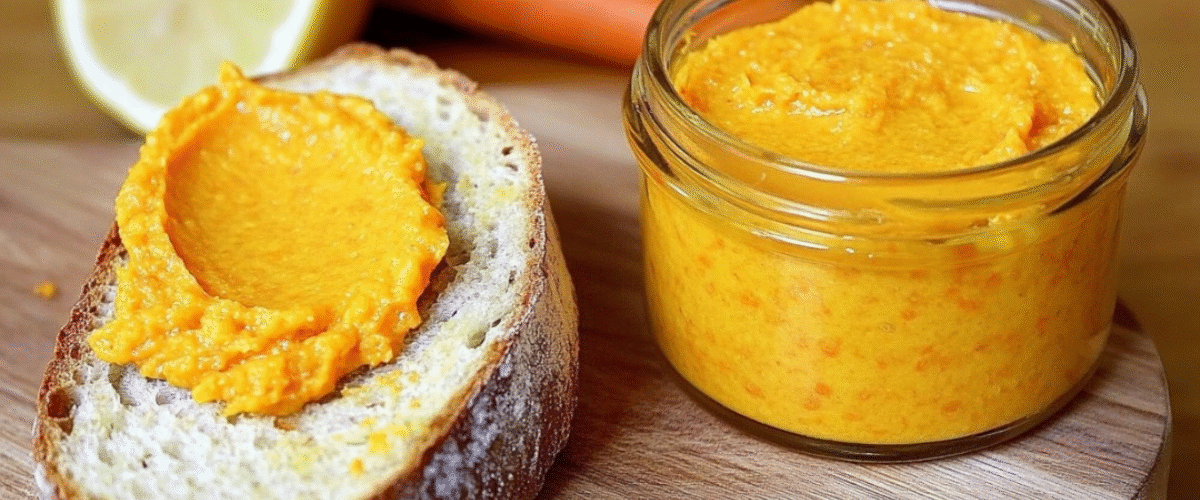
Esta increíble receta de paté de zanahoria revolucionará tu forma de preparar untables y salsas saludables. Incluso si no eres fan del hummus, este paté de zanahoria suave, cremoso y delicioso te conquistará con su rico sabor y textura sedosa. Con solo unos pocos ingredientes sencillos que probablemente ya tengas en tu cocina, esta receta demuestra que los platos más extraordinarios a menudo surgen de los orígenes más humildes.
Por qué este paté de zanahoria supera al hummus tradicional
A diferencia del hummus tradicional, cuya base son los garbanzos, este paté de zanahoria aprovecha el dulzor natural y la textura cremosa de las zanahorias perfectamente cocinadas. El resultado es una pasta para untar naturalmente más dulce, más colorida e increíblemente versátil. El proceso de cocción transforma las zanahorias en una base sedosa y suave que combina a la perfección con las especias aromáticas, creando un paté sofisticado y accesible para todos los paladares.
Ingredientes
Ingredientes principales:
- 250 g (8,8 oz) de zanahorias (aproximadamente 2 zanahorias medianas), sin pelar
- 40 g (3 cucharadas) de aceite de oliva virgen extra
- 30 g (3 cucharadas) de jugo de limón fresco (aproximadamente ½ limón)
- 5-8 g (1-2 dientes pequeños) de ajo, sin germen
- 5 g (1 cucharadita) de comino molido
- 2 g (¼ de cucharadita) de sal
- Pimienta negra recién molida al gusto
Para servir:
- Rebanadas de pan tostado
- Aceite de oliva virgen extra para rociar
- Granos de pimienta verde o pimienta negra recién molida
- Hierbas frescas para decorar (opcional)
- Galletas, verduras o chips de pita para mojar
Instrucciones paso a paso
Preparando las zanahorias
Paso 1: Limpiar y preparar las zanahorias. Lavar bien 250 g de zanahorias con agua fría corriente, frotando suavemente para eliminar la suciedad. Conservar la piel, ya que aporta nutrientes y sabor al paté. Cortar las zanahorias en trozos uniformes de aproximadamente 3 cm (1¼ pulgadas) de largo para una cocción uniforme.
Paso 2: Hervir las zanahorias. Pon a hervir agua en una olla grande a fuego alto. Agrega una pizca generosa de sal, como si estuvieras cocinando pasta. El agua con sal ayudará a sazonar las zanahorias por dentro y por fuera.
Paso 3: Cocción perfecta. Añada los trozos de zanahoria preparados al agua hirviendo y cocínelos durante exactamente 10 minutos. Las zanahorias deben estar tiernas, pero no blandas. Una vez cocinadas correctamente, la zanahoria adquirirá una textura suave y cremosa, sin grumos fibrosos.
Paso 4: Detener la cocción. Escurra inmediatamente las zanahorias en un colador y enjuáguelas brevemente con agua fría corriente durante unos segundos. Esto detiene la cocción y evita que se cocinen demasiado. Las zanahorias deben estar aún calientes al tacto.
Preparación de los aromáticos
Step 5: Prepare the Garlic Select 1-2 garlic cloves totaling 5-8g in weight. If using older garlic with visible green germs, carefully remove the germ by splitting the clove and pulling it out. The germ can add bitterness and may cause digestive discomfort. Fresh garlic without prominent germs can be used whole.
Step 6: Extract Fresh Lemon Juice Squeeze half a lemon to obtain 3 tablespoons (30g) of fresh lemon juice. Fresh lemon juice is essential for both flavor and the proper texture of the pâté. Strain out any seeds but leave the pulp for added texture.
Creating the Pâté
Step 7: Combine Base Ingredients Place the warm, drained carrots in a food processor or high-speed blender. The residual warmth helps create a smoother blend and better incorporates the oil.
Step 8: Add Liquids and Seasonings Add the olive oil, fresh lemon juice, prepared garlic, ground cumin, and salt to the carrots. Using measuring spoons ensures accuracy and consistent results every time you make this recipe.
Step 9: Blend to Silky Smooth Process the mixture until completely smooth and creamy, stopping to scrape down the sides as needed. The goal is to achieve a consistency similar to smooth hummus without any visible carrot pieces. This may take 2-3 minutes of continuous blending.
Step 10: Adjust Seasoning Taste the pâté and adjust seasonings as needed. Add more salt if the flavors seem flat, more lemon juice for brightness and acidity, or additional garlic for a stronger bite. The beauty of this recipe lies in its adaptability to personal preferences.
Final Preparation and Storage
Step 11: Perfect the Consistency The pâté will be quite soft while warm but will firm up considerably once chilled. Transfer to a clean jar or airtight container, smoothing the top with a spoon.
Step 12: Chill and Set Refrigerate the pâté for 2-3 hours until it reaches the perfect spreading consistency. The chilling time allows all flavors to meld together while the texture becomes ideal for spreading or dipping.
Nutritional Information and Timing
Preparation Time: 15 minutes Cooking Time: 10 minutes
Chilling Time: 2-3 hours Total Time: 3 hours 25 minutes Serves: 6-8 people as an appetizer Calories per serving: Approximately 95 calories
Nutritional Benefits: Each serving provides high levels of beta-carotene (vitamin A), vitamin K, potassium, and fiber from the carrots. The olive oil contributes healthy monounsaturated fats, while lemon juice adds vitamin C. This pâté is naturally vegan, gluten-free, and rich in antioxidants.
Recipe Variations and Substitutions
Spice Variations: Replace cumin with smoked paprika for a Spanish influence, curry powder for an Indian twist, or za’atar for Middle Eastern flavors. Each spice creates a completely different flavor profile while maintaining the recipe’s simplicity.
Oil Alternatives: While extra virgin olive oil provides the best flavor, you can substitute with avocado oil for a more neutral taste or walnut oil for a nutty richness.
Acid Variations: Try lime juice instead of lemon for a different citrus note, or add a splash of apple cider vinegar for tang with subtle sweetness.
Texture Modifications: For a chunkier pâté, reserve some cooked carrots and fold them in after blending for added texture. For an ultra-smooth version, pass the finished pâté through a fine-mesh sieve.
Herb Additions: Fresh herbs like parsley, cilantro, or chives can be blended in for added freshness and color.
Serving Suggestions and Presentation
This versatile carrot pâté shines in numerous applications. Spread it on toasted bread drizzled with olive oil and topped with green peppercorns for an elegant appetizer. Use it as a dip for fresh vegetables, pita chips, or crackers. It also works beautifully as a sandwich spread, replacing mayonnaise or mustard with something far more nutritious and flavorful.
Storage and Make-Ahead Benefits
This pâté is perfect for meal prep and entertaining. It can be made up to one week in advance and stored covered in the refrigerator. The flavors actually improve with time as they continue to develop. For longer storage, the pâté can be frozen for up to three months, though the texture may be slightly different when thawed.
Gift-Worthy Recipe
This recipe scales beautifully for larger batches, making it perfect for gift-giving. Fill small jars with the pâté, add attractive labels, and you have a thoughtful, homemade gift that showcases your culinary skills while providing something genuinely useful and delicious.
Frequently Asked Questions
Why should I leave the skin on the carrots? Carrot skins contain additional nutrients and fiber while adding subtle flavor complexity. Since the pâté is blended until completely smooth, the skins won’t affect the final texture but will enhance the nutritional value and taste.
Can I use pre-cooked or roasted carrots instead? While boiled carrots create the smoothest texture, you can use roasted carrots for a deeper, more caramelized flavor. Roasting concentrates the natural sugars and adds complexity, though the preparation time will be longer.
What if my pâté is too thick or too thin? If too thick, gradually add warm water or additional lemon juice one tablespoon at a time. If too thin, refrigerate longer to firm up, or blend in additional cooked carrots to thicken the consistency.
¿Cómo sé si he eliminado completamente el germen del ajo? Parte el diente de ajo a lo largo y busca un brote verde o amarillento en el centro. Retíralo completamente con la punta de un cuchillo. El ajo fresco puede no tener ningún germen visible, pero se puede usar sin problema.
¿Puedo preparar esto sin procesador de alimentos? Aunque un procesador de alimentos o una licuadora de alta velocidad producen los resultados más suaves, puedes usar una licuadora de inmersión, aunque quizás tengas que pasar la mezcla por un colador fino para obtener una textura más sedosa. Un machacador de papas y batir vigorosamente puede funcionar en caso de apuro, aunque la textura no será tan suave.
Esta extraordinaria receta de paté de zanahoria demuestra que, con los ingredientes más sencillos, se pueden crear sabores extraordinarios si se prepara con cuidado. El dulzor natural de la zanahoria, realzado por especias aromáticas y jugo de limón intenso, crea una pasta para untar sofisticada y reconfortante. Ya sea que busques una alternativa saludable a las pastas para untar tradicionales o simplemente quieras incorporar más verduras a tu dieta de maneras deliciosas, este paté de zanahoria cumple con creces y es increíblemente fácil de preparar.