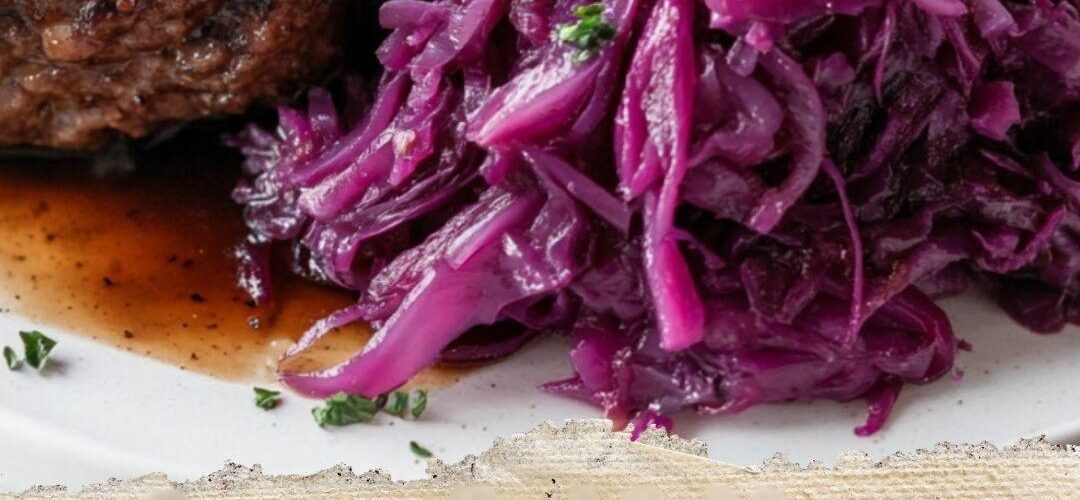
Esta col lombarda alemana, también conocida como Rotkohl, es una guarnición clásica alemana con un equilibrio perfecto de sabores agridulces. Se suele servir en festividades y festivales alemanes, o simplemente como una deliciosa guarnición para la cena. ¡Prepárala con esta sencilla receta!
Dificultad
Simple
Tiempo de preparación
10 minutos
Tiempo de cocción
1 hora 15 minutos
Tiempo total
1 hora 25 minutos
Porciones
6 porciones
Obtén las últimas publicaciones y mucho más de EasyWorldRecipes en tu bandeja de entrada
Utilizamos tus datos personales para ofrecerte publicidad basada en tus intereses, como se describe en nuestro Aviso de privacidad.
¿Qué es la col lombarda alemana?
El Rotkohl, o col lombarda alemana, es una col agridulce tradicional. Se prepara estofando col morada con vinagre, azúcar moreno y otras especias. ¡Es la guarnición perfecta para tu cena alemana!
Es un clásico en las cenas alemanas y se sirve como acompañamiento de carnes, patatas y otros clásicos alemanes. Se puede servir caliente o frío, pero de cualquier forma está delicioso.
¿Por qué me encanta esta receta?
Esta receta de col lombarda alemana es una de mis favoritas. Es muy sencilla de preparar y está deliciosa.
Es una de esas guarniciones tradicionales alemanas que a toda mi familia le encanta. Me encanta preparar una cantidad abundante y guardarla en el refrigerador para disfrutarla entre semana.
No solo sabe increíble, sino que también es muy económico. Además, es rico en fibra y está repleto de antioxidantes. Además, puedes prepararlo con antelación, ¡y el sabor mejora cada día!
Ingredientes clave y sustituciones de la col lombarda alemana
Repollo morado : También conocido como repollo morado, es el ingrediente estrella. Asegúrate de lavarlo bien y rallarlo finamente para una cocción uniforme.
Vinagre de sidra de manzana : Le da un sabor agradable y ayuda a conservar el color morado del repollo. El vinagre blanco funciona como alternativa, pero el vinagre de sidra de manzana aporta un dulzor sutil. También puedes usar jugo de limón recién exprimido como alternativa, pero para un sabor más tradicional, opta por el vinagre de sidra de manzana.
Azúcar moreno : Equilibra la acidez del vinagre. Le da el sabor agridulce. También puedes usar azúcar blanco o incluso un poco de miel si lo prefieres.
Manzanas : Las recetas tradicionales alemanas suelen incluir manzanas para darles un toque de dulzor natural. Las manzanas Granny Smith son ideales por su acidez.
Cebolla : Le da un toque sabroso al plato. Cualquier tipo de cebolla sirve, pero generalmente se usan cebollas amarillas.
Especias (clavo y laurel) : El clavo y la hoja de laurel aportan calidez y profundidad, realzando el sabor del plato. Puede omitirlos si prefiere un sabor más suave.
Herramientas que necesitarás
- Dutch Oven or Large Pot: Ideal for evenly cooking and braising the cabbage.
- Cutting Board and Knife: For shredding the cabbage and chopping the apples.
- Wooden Spoon: Useful for stirring the cabbage as it braises to ensure it cooks evenly.
Step-by-Step Instructions for German Red Cabbage
Prepare the Ingredients
- Shred the Cabbage: Remove any tough outer leaves from the cabbage. Cut it into quarters, remove the core, and slice thinly into shreds.
- Chop the Onion and Apples: Finely chop the onion and cut the apples into small cubes. Both will add flavor and texture to the cabbage.
Cook the Cabbage
- Sauté the Onion: In a Dutch oven, heat a tablespoon of oil over medium heat. Add the chopped onion and sauté for 3-4 minutes until softened.
- Add Cabbage and Apples: Add the shredded cabbage and cubed apples to the pot, stirring well to combine with the onion.
Add Flavorings and Simmer
- Add Vinegar, Sugar, and Spices: Pour in the apple cider vinegar and sprinkle the brown sugar over the cabbage. Add the whole cloves and bay leaf for additional flavor.
- Simmer: Cover the pot with a lid, reduce heat to low, and let the cabbage simmer for about 1-1.5 hours, stirring occasionally. The cabbage should become tender, and the flavors will meld beautifully.
Final Touches
- Adjust Seasoning: Taste and add salt and pepper as needed. For extra sweetness, add a little more brown sugar if desired.
- Serve: Remove the bay leaf and cloves before serving. Transfer the cabbage to a serving bowl and enjoy!
Obtén las últimas publicaciones y mucho más de EasyWorldRecipes en tu bandeja de entrada
Utilizamos tus datos personales para ofrecerte publicidad basada en tus intereses, como se describe en nuestro Aviso de privacidad.
Expert Tips for Perfect Rotkohl
Adjust the Sweetness and Tang: Taste the cabbage toward the end of cooking and adjust the brown sugar or vinegar to your preference.
Make Ahead: This dish tastes even better the next day, as the flavors continue to develop. Make it a day in advance if you’re serving it at a holiday meal.
Avoid Overcooking: Braise the cabbage just until tender to avoid a mushy texture. The cabbage should be soft but still hold its shape.
Serving Suggestions
German Red Cabbage pairs wonderfully with classic German dishes, such as:
- Rouladen: This savory beef roll is a perfect match for Rotkohl’s tangy flavors.
- Bratwurst: The sweetness of the cabbage complements the spices in bratwurst.
- Boiled Potatoes or Spaetzle: Serve alongside boiled potatoes or spaetzle noodles for a complete German meal.
- German Potato Salad: Another classic German side that’s perfect for a larger spread.
Make-Ahead and Storage
Make-Ahead: Prepare this cabbage up to a week in advance. It keeps well, and the flavors deepen over time.
Storage: Store leftovers in an airtight container in the refrigerator for up to one week.
Obtén las últimas publicaciones y mucho más de EasyWorldRecipes en tu bandeja de entrada
Utilizamos tus datos personales para ofrecerte publicidad basada en tus intereses, como se describe en nuestro Aviso de privacidad.
Freezing: German Red Cabbage can be frozen for up to 3 months. Thaw in the refrigerator overnight and reheat before serving.
Reheating: Reheat gently in a pot over low heat, adding a splash of water if needed to prevent sticking.
This German Red Cabbage (Rotkohl) is a flavorful and colorful side dish, perfect for adding a traditional touch to your holiday meals. The cabbage pairs beautifully with German main dishes.
- 1 medium red cabbage, shredded
- 1 large apple, cubed (preferably Granny Smith)
- 1 medium onion, finely chopped
- 1/4 cup apple cider vinegar
- 2 tbsp brown sugar
- 1 tbsp vegetable oil
- 1/2 tsp salt
- 1/4 tsp pepper
- 2 whole cloves
- 1 bay leaf
- Prepare Ingredients: Shred the cabbage, chop the onion, and cube the apple.
- Sauté the Onion: Heat oil in a Dutch oven over medium heat. Add the onion and sauté for 3-4 minutes until softened.
- Add Cabbage and Apples: Add shredded cabbage and apple cubes to the pot, stirring to combine.
- Add Vinegar, Sugar, and Spices: Pour in vinegar, sprinkle with brown sugar, and add cloves and bay leaf.
- Simmer: Cover the pot, reduce heat, and simmer for 1-1.5 hours, stirring occasionally until cabbage is tender.
- Season and Serve: Remove bay leaf and cloves, season with salt and pepper to taste, and serve warm.
Obtén las últimas publicaciones y mucho más de EasyWorldRecipes en tu bandeja de entrada
Utilizamos tus datos personales para ofrecerte publicidad basada en tus intereses, como se describe en nuestro Aviso de privacidad.
Notes
Sweetness Adjustment: Feel free to add more or less brown sugar depending on your preference.
Leftover Storage: Rotkohl can be stored in the refrigerator for up to a week, making it a great make-ahead dish for holiday meals.
- Prep Time: 10 minutes
- Cook Time: 1 hour 15 minutes
- Category: Side dish
- Cuisine: German
Nutrition
- Calories: 120
- Sugar: 10g
- Carbohydrates: 20g
- Fiber: 4g
- Protein: 1g
Nutrition information
Este sitio web proporciona información nutricional estimada, que puede cambiar dependiendo de los ingredientes utilizados.
Preguntas frecuentes (FAQ)
Sí, puedes omitir las manzanas, aunque agregan una dulzura sutil y una textura que es tradicional en las recetas alemanas.
Generalmente se sirve caliente como guarnición, pero también se puede disfrutar frío como sobra.
¡Por supuesto! El vinagre de vino tinto es un buen sustituto y conserva el sabor tradicional.