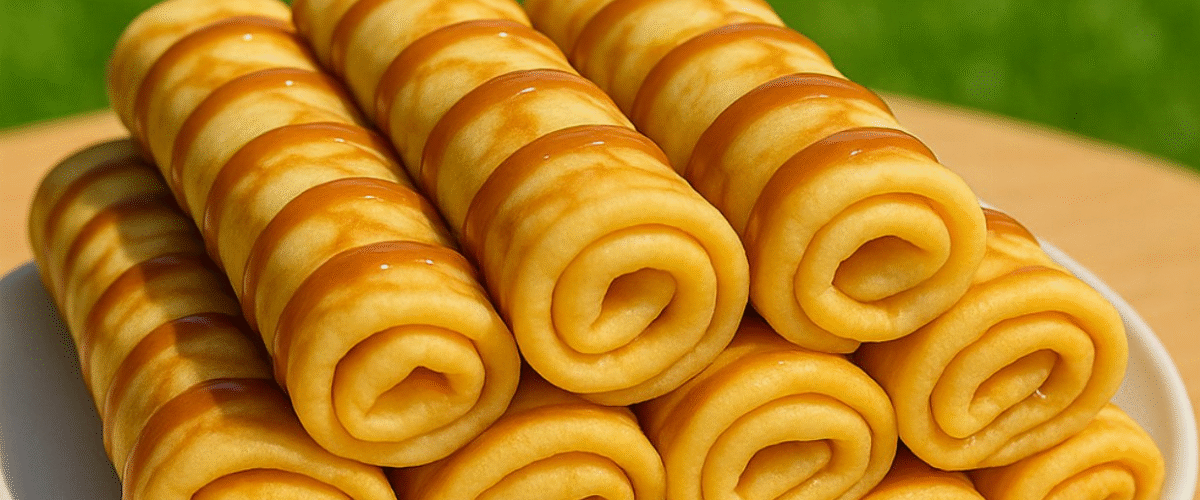
Hay algo verdaderamente mágico en crear la receta perfecta de crepas. Delgadas, delicadas y versátiles, las crepas son un plato predilecto que puede transformar cualquier comida en una ocasión especial. Ya sea que las envuelvas con rellenos salados para un brunch de lujo o las rocíes con chocolate para un postre suntuoso, dominar las crepas te abre un mundo de posibilidades culinarias.
Ingredientes de la receta clásica de crepes
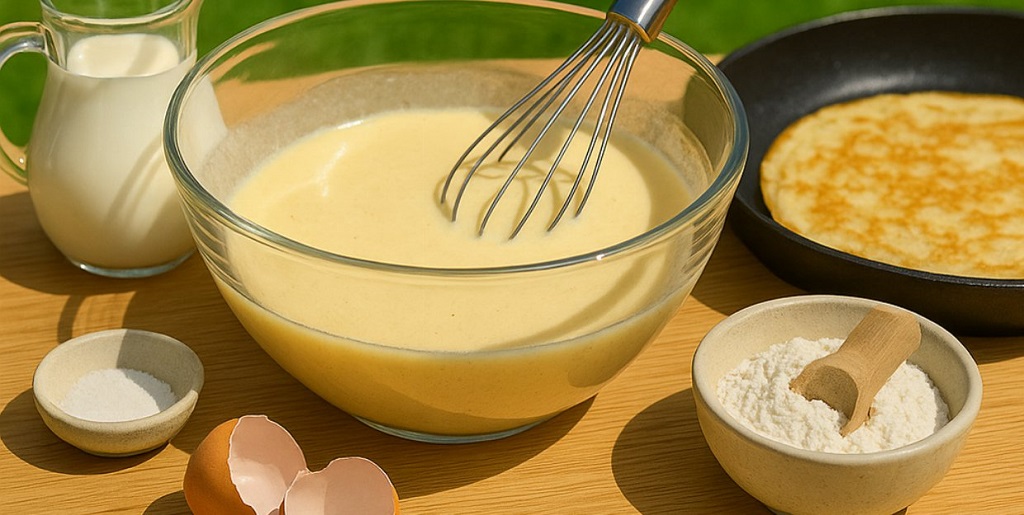
- Harina para todo uso (1 taza) : Proporciona la estructura necesaria para obtener crepes tiernos y flexibles.
- Huevos (2) : Unen los ingredientes y contribuyen al rico sabor y color dorado de las crepes.
- Leche y agua (1/2 taza de cada una) : La combinación de leche y agua asegura que la masa tenga la consistencia perfecta, lo suficientemente fina para esparcirse por toda la sartén, pero lo suficientemente rica para tener un sabor delicioso.
- Sal (1/4 cucharadita) : Realza el sabor de las crepes, haciéndolas irresistibles ya sea servidas dulces o saladas.
Proceso paso a paso para lograr una crepa perfecta
Mezclando la masa
El secreto para unas crepas perfectas empieza con la masa. Comienza batiendo la harina y los huevos, incorporando gradualmente la leche y el agua para evitar grumos. Esta mezcla inicial es crucial, ya que forma la base de la textura de las crepas. Deja reposar la masa durante 30 minutos para que la harina absorba los líquidos y obtengas una masa más suave y consistente.
Cocinando las crepes
Calienta una sartén ligeramente engrasada a fuego medio-alto. Vierte un poco de masa en el centro, moviendo la sartén con movimientos circulares para distribuirla uniformemente. Esta técnica garantiza que cada crepa quede fina y uniforme. Cocinar cada lado hasta que adquiera un ligero dorado no solo le aporta sabor, sino que también crea los bordes ligeramente crujientes característicos de una crepa bien hecha.
Personalizando tus crepes
La versatilidad de las crepas forma parte de su encanto. Para desayunar, rellénalas con fruta fresca y un poco de yogur o crema batida. Para una versión salada, considera queso, espinacas o incluso champiñones finamente picados y salteados. Las posibilidades son infinitas, lo que te permite dar rienda suelta a tu creatividad en cada crepa que prepares.
Consejos avanzados para la receta de crepes
Para realzar aún más tus crepas, experimenta con la consistencia de la masa. Ajustar la proporción de leche y agua puede cambiar la textura, haciéndolas más sedosas o más firmes según tus preferencias. Además, dejar reposar la masa durante la noche puede intensificar los sabores, resultando en un sabor más intenso.
El arte de elaborar crepes delicados
Crepes, those wonderfully thin and delicate pancakes, have a reputation for elegance and flexibility that few other desserts or breakfast items can claim. Making crepes involves a ballet of mixing just the right ingredients to a perfect consistency and mastering the art of cooking them to just the right degree of thinness and tenderness. The pleasure of making crepes lies in their simplicity and the immediate gratification they provide, whether wrapped around sweet or savory fillings.
Simplicity Meets Sophistication in Every Bite
What sets crepes apart is their astounding simplicity, coupled with the sophistication they bring to the table. With just a few basic ingredients flour, eggs, milk, and a pinch of salt you can create a base that transforms into an elegant dish with the right technique and a little creativity. This recipe not only guides you through creating the basic batter but also inspires you to explore both classic and innovative ways to enjoy crepes.
Celebrating Versatility in Culinary Form
The versatility of crepes is celebrated worldwide, making them a beloved dish in many cultures. They can be dressed up for a decadent dessert with Nutella and strawberries or served as a savory main with ham and cheese. This adaptability makes learning to make crepes an invaluable skill, as they can be adapted for any meal, respecting dietary preferences and ingredient availability.
Mastering the Technique for Perfect Crepes
The technique of making the perfect crepe is as important as the ingredients. Achieving the iconic thinness requires a good swirl of the pan, and cooking them to just the right level of doneness without browning too much is an art. This recipe provides step by step instructions to help you master these techniques, ensuring your crepes are perfect every time.
Navigating Common Crepe Making Challenges
Despite their simple ingredient list, crepes can be tricky to perfect. One common challenge is achieving the right batter consistency, which should be smooth and fluid but not overly liquid. This consistency is crucial for spreading the batter thinly and evenly across the pan. Adjustments might be needed based on the flour type or even the humidity in your kitchen.
The Delicate Balance of Cooking Crepes
Cooking crepes requires a delicate balance of temperature and timing. Too hot, and the crepes can burn or cook too quickly, becoming crispy rather than soft and pliable. Too cool, and they may become thick and heavy. This section provides tips on how to find and maintain the perfect heat in your pan.
Flavor Enhancements and Customizations
Another challenge lies in flavoring and filling crepes. While the basic crepe is delightful on its own, the addition of flavors and fillings can elevate it significantly. This can be a creative joy but also a culinary challenge, as not all fillings work well with the delicate nature of crepes. Recommendations for compatible flavors and textures are provided to ensure delicious outcomes.
Maintaining Consistency and Quality
Maintaining consistency from one crepe to another can be difficult, especially for beginners. The thickness of the batter in the pan needs to be uniform, and each crepe should be cooked similarly to ensure they stack and present well if serving to guests. Techniques to achieve this consistency are discussed, helping you refine your crepe making process.
Challenges in Crepe Preparation
While crepes are fundamentally simple, achieving the perfect thinness and consistency requires practice. One common challenge is preventing the batter from becoming too thick or runny. This balance affects how the crepes cook and their final texture. Using a ladle or measuring cup can help you pour the right amount of batter each time, ensuring uniform thickness.
Overcoming Cooking Obstacles
Controlling the temperature is another critical aspect. If the pan is too hot, the crepes can burn before they cook through. If it’s too cool, they may turn out too thick and lack the delightful, light texture. Finding the sweet spot for your stove and pan through trial and error is key.
Ensuring Flavor and Presentation
The presentation of crepes is nearly as important as their flavor. Achieving that impeccable, lacy pattern with light browning requires a combination of correct batter consistency and pan control. For flavor enhancement, infusing your batter with vanilla or a small amount of liqueur (if appropriate) can add a subtle complexity that makes your crepes go from good to great.
Whether you’re a seasoned chef or a home cook, the journey of perfecting crepes is filled with learning and enjoyment. By embracing the challenges and exploring the versatility of flavors and fillings, you can turn this simple dish into a gourmet experience.
These additional paragraphs not only enrich the narrative with deeper insights into making crepes but also guide the reader through common pitfalls and professional tips to enhance their cooking journey.
For additional tips on baking techniques and flavor variations, visit our comprehensive guide to crafting perfect pastries here.
FAQs
What is the secret to making smooth crepe batter?
The key to smooth crepe batter is in the mixing. Always sift your flour to prevent lumps, and gradually incorporate your liquids milk and water while whisking consistently. Letting the batter rest for about 30 minutes before cooking also allows the flour to absorb the liquids fully, resulting in a smoother batter.
Can I make crepe batter ahead of time?
Yes, you can make crepe batter ahead of time. In fact, resting the batter in the refrigerator for a few hours or overnight can help improve the texture and flavor of the crepes. Just be sure to give it a good stir before you start cooking as the ingredients may have settled.
How do I achieve thin, evenly cooked crepes?
Para lograr crepas delgadas y uniformemente cocinadas, asegúrese de que su sartén esté a la temperatura adecuada antes de empezar. Si está demasiado caliente, las crepas se cocinarán demasiado rápido; si está demasiado fría, no se dorarán bien. Vierta un poco de masa en el centro de la sartén e inmediatamente incline la sartén con movimientos circulares para extender la masa finamente. Cocine cada lado hasta que esté ligeramente dorado, aproximadamente de 1 a 2 minutos por lado.
¿Cómo puedo evitar que los crepes se peguen a la sartén?
Para evitar que las crepas se peguen, asegúrese de que su sartén esté bien curada o antiadherente y bien caliente. Engrasar ligeramente la sartén con un poco de mantequilla o aceite antes de cada crepa también puede ayudar. Si usa aerosol antiadherente, una aplicación ligera funciona mejor.
¿Cuáles son algunas ideas para rellenos de crepes?
Las crepas son increíblemente versátiles y se pueden rellenar con una variedad de ingredientes. Para las crepas dulces, los rellenos más populares incluyen Nutella, mermelada de frutas, miel con rodajas de fruta fresca y crema batida. Para las crepas saladas, los rellenos pueden variar desde jamón y queso hasta verduras salteadas, huevos revueltos y salmón ahumado. Experimenta con diferentes combinaciones para encontrar tus favoritas.
¿Cómo guardo las crepes sobrantes?
Las crepas sobrantes se pueden guardar en el refrigerador hasta por cinco días. Colóquelas entre capas de papel encerado o papel pergamino y colóquelas en un recipiente hermético o una bolsa de plástico con cierre. Para recalentarlas, simplemente caliéntelas en una sartén a fuego medio o en el microondas durante unos segundos hasta que estén bien calientes.
¿Puedo congelar los crepes?
Sí, las crepas se pueden congelar hasta dos meses. Para congelarlas, apílelas completamente frías con hojas de papel vegetal entre ellas para evitar que se peguen. Envuelva bien la pila con film transparente y colóquela en una bolsa o recipiente apto para congelador. Descongélelas en el refrigerador durante la noche y caliéntelas suavemente antes de servir.